HROUS
Tennis Court Resurfacing in Australia: Compare Base, Repairs and Handover
To compare tennis court resurfacing proposals in Australia, get a site inspection first, then ask every contractor to state the base condition they found, the repairs they will do, the surface system, the line marking, the closure period and what happens if the base keeps moving. Inner Court, which works in Melbourne’s inner-east, and Line Marking Australia, which quotes nationally, are used below as examples of published scope; they are not interchangeable local quotes.[1][2]
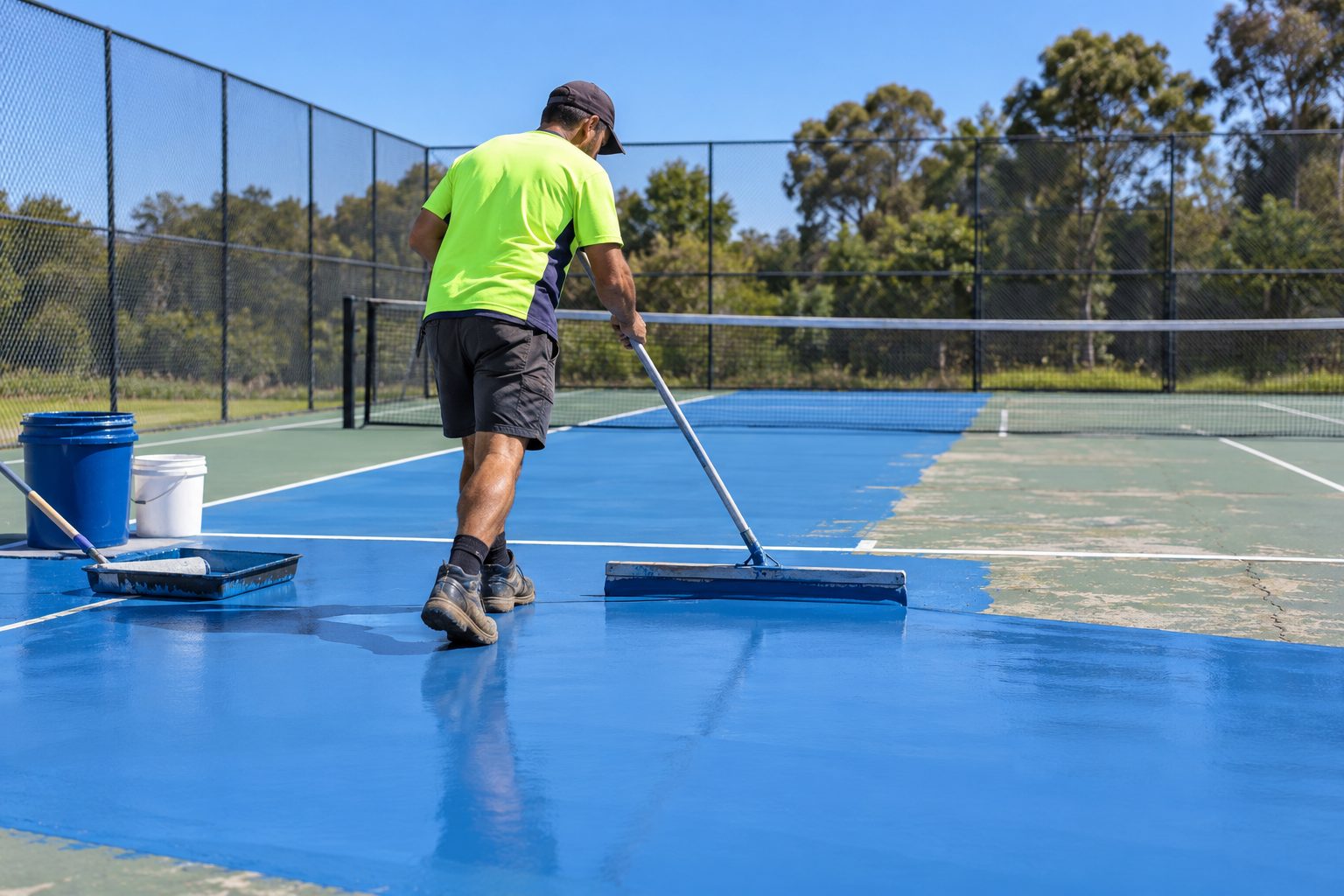
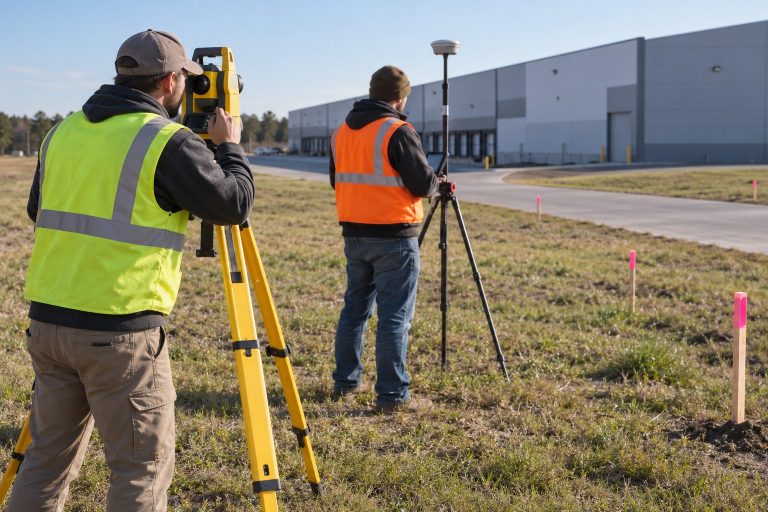
Start with a site inspection, not a phone quote
The right scope depends on the base under the surface, so treat any price given before an inspection as provisional.
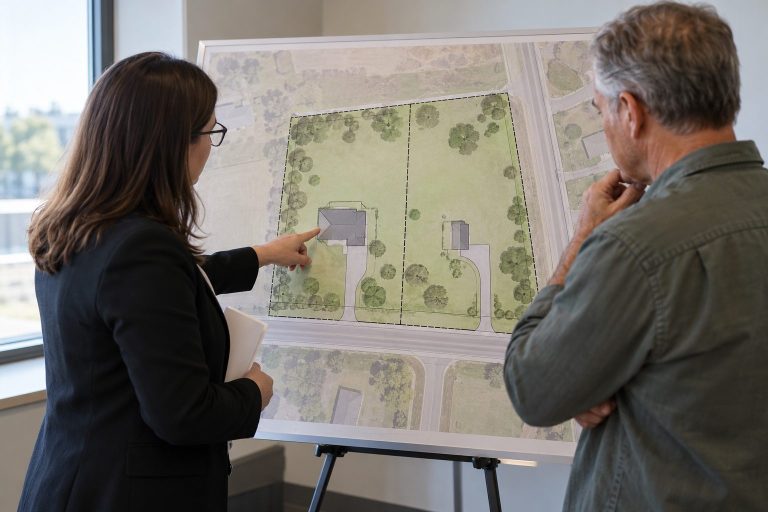
- Inner Court: does not quote over the phone. It visits the court, assesses the base, surface, drainage and structural issues, and sends a written proposal with a line-item scope and warranty terms within 48 hours. It says the site visit is free.[1]
- Line Marking Australia: says it checks the base on site before recommending a recoat or rebuild, and asks for photos of the whole court and close-ups of cracks or puddles to quote faster.[2]
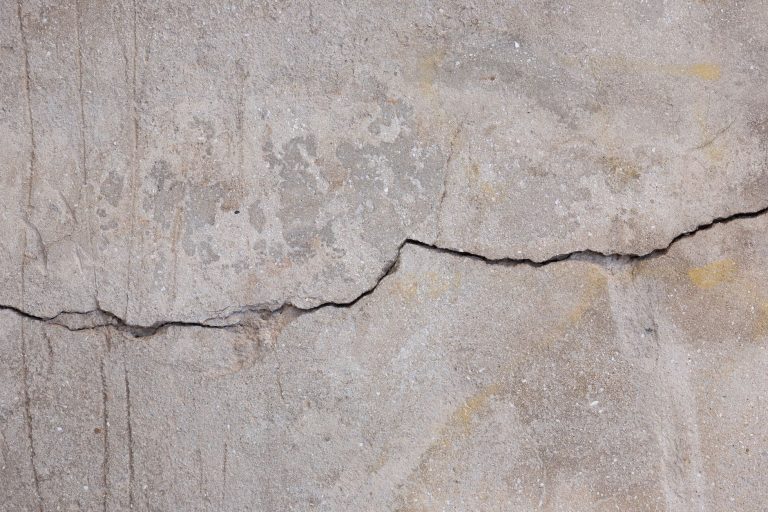
Ask each contractor to record what it checked: crack width and whether cracks are moving, where water ponds after rain, the condition of edges and nearby tree roots, and how many old coating layers are on the court. Line Marking Australia lists these same points as its on-site checks.[2]
Decide whether the court needs a resurface or a rebuild
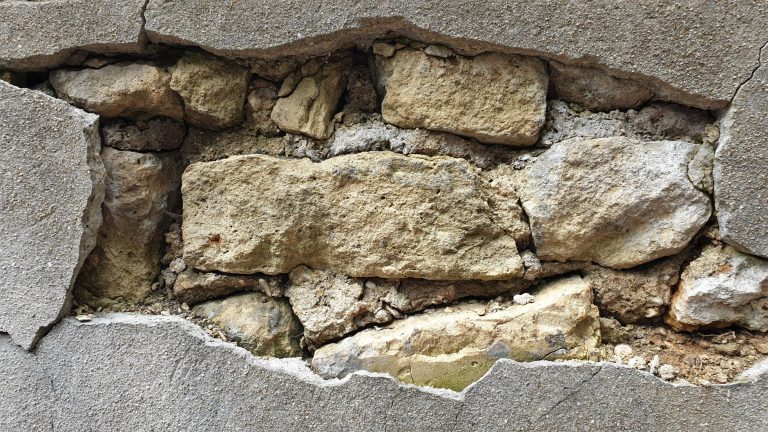
A new coating does not fix a failed base or poor drainage. Line Marking Australia says an acrylic recoat suits a court whose concrete or asphalt base is still sound, and a full rebuild is needed when the base has moved, cracks keep returning, water ponds badly or the court sits on failed ground.[2] It also says it will tell you if a recoat will only last a season or two.[2]
Inner Court describes the same split: an acrylic re-coat or a full base-and-surface restoration, with concrete base assessment and repair before any surface goes down.[1]
If two quotes disagree on whether a rebuild is needed, ask each contractor to explain the base finding behind its recommendation in writing.
Compare crack repair and preparation
Preparation drives both price and how long the finish lasts. Line Marking Australia lists its usual steps: pressure clean and remove moss and loose coating, rout out and clean each crack, fill and level the cracks, patch low spots where water ponds, apply the resurfacer and colour coats, then re-mark the lines.[2]
It states that fine cracks usually disappear under the new coating, but large or moving structural cracks can come back, especially on reactive clay soils.[2] Ask each contractor:
- Which cracks will be repaired, by what method, and whether a crack membrane is included.
- Which low spots will be patched, and whether drainage or falls will be corrected.
- Whether the warranty covers cracks that return, and for how long.
Compare the surface system and line marking
Ask for the product name, number of coats and colours, not just “acrylic” or “synthetic grass”.
- Inner Court: lists Plexipave and Rebound Ace surface installation, acrylic re-coats, synthetic grass, and conversions from En Tout Cas to acrylic or synthetic grass.[1]
- Line Marking Australia: lists acrylic recoats, synthetic grass replacement and re-marking every line, and says resurfacing is a good time to add another sport’s lines, such as pickleball.[2]
Line Marking Australia says Tennis Australia’s Victorian maintenance guides suggest resurfacing acrylic courts about every 7 to 10 years and synthetic grass courts about every 10 to 15 years, with heavy use, full sun, debris and poor drainage shortening that.[2] Use this as a planning range, not a guarantee for your court.
Compare price on the same scope
Line Marking Australia says an acrylic recoat on a sound tennis court starts from about $8,000, citing an Airtasker cost guide (2026). It quotes crack repair, synthetic grass replacement and rebuilds per site, and cites about $40,000 as a starting price for a new tennis court from an Oneflare cost guide (2026).[2] These are a contractor’s published starting figures, not a national average or a quote for your court.
Inner Court does not publish prices; it provides a written proposal after the site visit.[1] Compare quotes line by line: cleaning, crack repair, patching, number of coats, line colours and sports, access, waste removal and any council approvals.
Agree the closure period and weather allowance
Line Marking Australia says resurfacing usually takes a few days to about two weeks on site, depending on crack repairs, the number of coats, synthetic grass removal and the weather, and that acrylic coatings need dry, mild conditions to cure.[2] Inner Court says most of its resurfacing jobs are complete and cured within 8 working days.[1]
Ask for a start date, an expected handback date, and how rain delays will be handled. Clubs and schools should confirm the court will not be needed for fixtures during that window.
Check insurance, safety and handover
- Insurance: Inner Court says it provides a certificate of currency before works start.[1] Line Marking Australia lists public liability and professional indemnity cover.[2] Ask for the certificate either way.
- Safety and site: Line Marking Australia lists council approval checks when fencing, lighting, drainage or levels change, silica dust controls when cutting concrete, and sediment and stormwater controls.[2]
- Handover: Inner Court says it provides a written completion report and can set up an annual maintenance contract.[1] Ask for the product data, cleaning instructions and warranty terms in writing at handover.
What to confirm with each provider
- Inner Court: whether your suburb is in its service area, the surface product and coats, crack and drainage scope, warranty on returning cracks, and maintenance contract terms.[1]
- Line Marking Australia: which local team does the work in your state, the itemised repair scope, warranty terms, and the expected timeline for your court.[2]
- Both: who is responsible if the base fails after resurfacing, payment milestones, and what is excluded.
References
- Inner Court | Private Tennis Court Resurfacing, Melbourne Inner-East (innercourt.com.au)
- Court Resurfacing | Line Marking Australia (linemarkingaustralia.com.au)