HROUS
Water Meter Accuracy Test for Toronto Owners: Process and Fees
A high Toronto water bill is a reason to check consumption and billing before paying for a meter accuracy test. Start with leak checks and a 311 account review; if an accuracy concern remains, Toronto books formal tests at 416-338-1616.[2] A test establishes how the removed meter registers measured water. It does not automatically cancel a high bill.
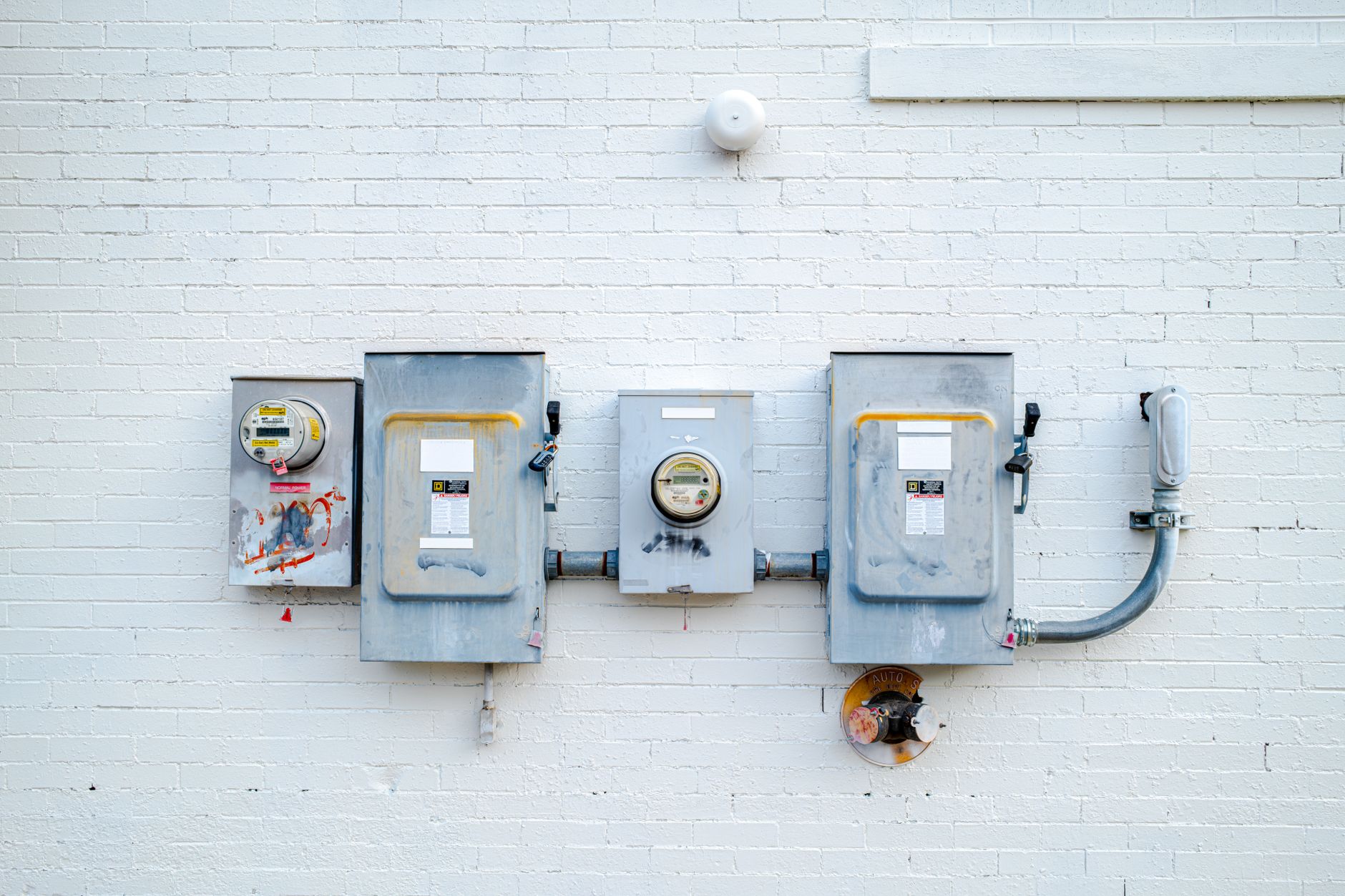
Separate three questions before booking
- Was the reading or bill misunderstood? Compare the billing dates, meter readings and whether readings were estimated. Toronto lists a catch-up actual reading after estimates among reasons a bill can rise.[5]
- Did water actually flow through the property? Investigate toilets, fixtures and changes in use. Hamilton suggests comparing readings over 24 hours as a consumption check; that observation is separate from a laboratory accuracy test.[3]
- Does the meter register the wrong volume? This is the question the formal Toronto test addresses.[2]
Make a short account record: the bill being questioned, the physical reading and its date, earlier bills, changes in occupancy or use, and any plumber’s findings. These are useful preparation, rather than a claim that every item is a mandatory application document. During the 311 review, ask which difference remains unexplained and write down the next action.
Know the 2026 fee and the possible outcome
The City’s 2026 fee is CAD $220.42 for a water meter accuracy test on a meter 50 mm or smaller, with no chamber, if it does not over-register.[4] This is a defined meter category, not a universal price for every installation. Confirm the category and current charge when booking.
An over-registering meter produces a credit based on the measured over-registration, shown on the next utility bill. An accurate or under-registering result produces a test fee.[2] Compare that possible cost with the value of resolving a documented accuracy concern; do not budget for a full-bill refund.
For example, a household with an unexplained increase and no completed leak check has two different uncertainties: where the water went and whether it was measured correctly. Testing only addresses the second. Keep the fee decision separate from the cost of investigating private plumbing.
Understand removal, testing and the result
Toronto staff remove the existing meter, install a replacement, reprogram the transmitter and take the old meter to a testing facility. Water is passed through it at different volumes and its recorded volume is compared with the actual volume. Results are mailed in three to four weeks; the tested meter is retained for three months.[2]
Before the appointment, agree access, who will attend, any interruption of water service and rescheduling arrangements. Leave removal and replacement to City staff. Keep the appointment confirmation with your account-review notes so another household member can explain the issue if needed.
When the report arrives, check the conclusion against the next bill. If the explanation or billing adjustment is unclear, request a written clarification promptly. The three-month storage period is a meter-retention period; do not use it as an assumed deadline for challenging a result.
A bill adjustment is a separate eligibility review
Toronto provides two conditional high-consumption adjustment routes. Both require a property assessed solely as residential, consumption at the City’s three-times-historical-daily-average threshold, no previous adjustment, residence for at least a year before the increase and request, and a property that is not tenanted.[5]
- Unexplained increase: The tested meter must be defect-free; City activity must not reasonably explain the increase. The cause cannot reasonably be an owner/occupant act or omission, leak or plumbing defect. Written plumbing-contractor verification must confirm no relevant private-system defect or other explanation after inspection.[5]
- Uncontrollable increase: A known cause outside the customer’s control may include a leak or private plumbing defect. Payment must cause undue financial hardship and household income must be below CAD $62,000. Supporting financial evidence, such as an unaltered Notice of Assessment or Reassessment, may be required.[5]
These routes are not automatic consequences of an accurate meter result. The City may inspect. Its published application instructions direct supporting documents by mail to City of Toronto, Revenue Services, Utility Billing, 5100 Yonge St., Toronto, ON M2N 5V7.[5]
Build your submission around the route you are asking the City to assess. Use a dated chronology linking the consumption period, occupancy, readings, inspection findings and repairs. Keep copies of what you send and ask the City which additional documents are needed for your case. A plumber’s repair invoice and a statement that no defect explains consumption answer different questions; describe each accurately.
Keep one file through the final account check
Retain the original bill, review correspondence, booking confirmation, meter report and bill showing any fee or credit. Record which question each document resolves. If applying for a separate adjustment, add its supporting evidence and decision without treating the meter report as approval of that application.
Measurement Canada states that water meters remain within its jurisdiction but are exempt from its approval and inspection requirements. It directs accuracy concerns first to the utility or municipality and may help facilitate communication.[1] Use that distinction when deciding whom to contact; Toronto manages this local test and bill.
References
- Doubting the accuracy of your water meter? – Measurement Canada (canada.ca, 2021) (canada.ca, 2021)
- Water Meter Accuracy – City of Toronto (toronto.ca, 2026) (toronto.ca, 2026)
- Water Meters | City of Hamilton (hamilton.ca) (hamilton.ca)
- Water Rates & Fees — City of Toronto, 2026 (toronto.ca, 2026)
- High Water Bill & Leaks — City of Toronto (toronto.ca)