HROUS
Schedule of Condition for Commercial Tenants in England and Wales: Compare Surveyors
Compare Eddisons’ detailed inspection description with Bressummer ARK’s expressly written-and-photographic record, then request quotations against the same pre-lease brief.[2][3] For commercial tenants in England and Wales, the decision is whether to commission a starting-condition record, broader building advice or both—and how to have the record incorporated into the lease.[3][4][5]
Compare Eddisons and Bressummer ARK
Eddisons
- Inspection and record: Eddisons describes a comprehensive premises examination, internal and external item descriptions, construction materials, use, inspection date, time and weather, defects and details of tests carried out. Drawings, photographs or videos may support the record; confirm a written-and-photographic deliverable in your instruction.[2]
- Published pricing: Eddisons gives no package price and directs prospective clients to contact it for details.[2]
- Coverage and terms: Ask Eddisons to confirm coverage for your premises, availability, turnaround and cancellation terms before appointing it.[2]
Bressummer ARK
- Inspection and record: Bressummer ARK describes a photographic and written record of the property’s state and arrangement at lease commencement.[3]
- Published pricing: Bressummer ARK advertises a “Free consultation” and “Quick Quote”; ask it to confirm the survey fee.[3]
- Coverage and terms: Ask Bressummer ARK to confirm coverage for your premises, availability, turnaround and cancellation terms before appointing it.[3]
The difference in published detail does not establish inspection quality or value.[2][3] Send both providers the same brief and compare their written commitments: what they will inspect, what they will deliver and the total payable.
Choose a schedule, a building survey or both
A starting-condition record and advice on building risks answer different questions. Bressummer ARK describes its schedule of condition as a written and photographic baseline. Its commercial building survey provides broader advice on condition, legal-compliance and occupation considerations; its Building Survey or Planned Preventative Maintenance work may identify structural issues, compliance risks and likely costs.[3]
- Choose a schedule of condition to document the starting state.[3]
- Request broader survey advice if you also need to understand building risks and likely expenditure.[3]
- Request both scopes if you need the baseline record and wider advice.[3]
Ask for the deliverables to be specified separately in the quotation rather than assuming one service includes the other.
Define the premises and inspection boundaries
Give the surveyor the draft lease plan and identify the demise—the premises being let. Establish whether this is the whole building or part, with internal and external boundaries, inclusions and exclusions clearly marked.[3][4] Use entrances, shared areas, parking, storage and ancillary accommodation as prompts to reconcile the inspection brief with the plan, not as automatically included inspection items.[6]
Request the premises’ location, construction materials and use, and the location of each inspected internal and external item. Include the inspection date, time and weather, plus details of tests undertaken; these are particulars Eddisons describes for a schedule of condition.[2]
Agree how access gaps will be recorded. Ask for locked, concealed, unsafe or otherwise inaccessible areas to be identified, with reasons they were not inspected. Make this an express commissioning request rather than assuming a reporting procedure.
Specify written defects and linked photographs
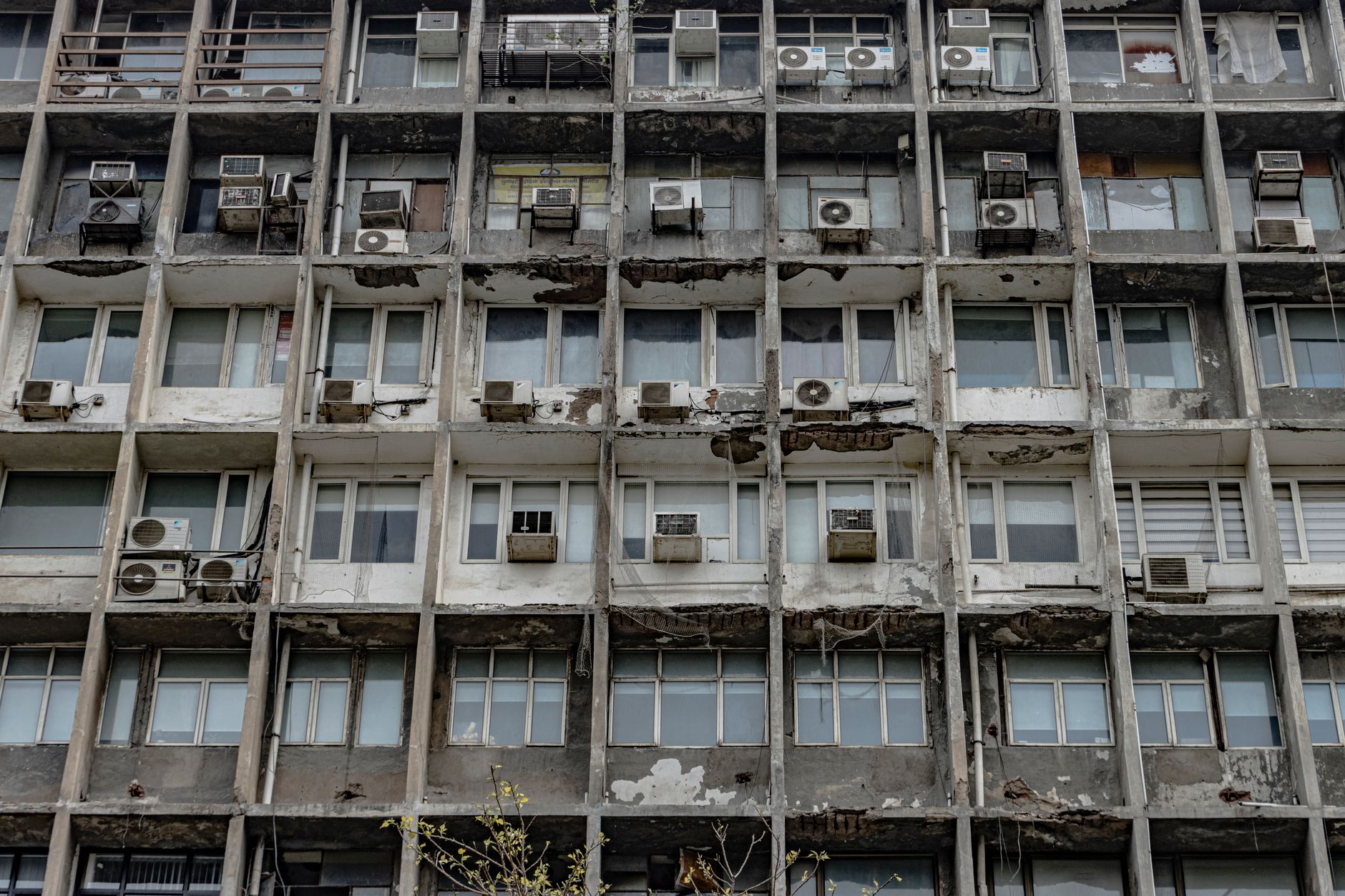
Ask for written descriptions of cracks, holes, staining, damp, decay and discolouration—the deterioration examples Eddisons identifies.[2] Use walls, floors, ceilings, windows, doors, fixtures, fittings and included external areas as scope prompts, with relevant mechanical and electrical items subject to the agreed instruction.[6]
Request a linked record: unique item and photograph references, location captions, overview and close-up images, and links from written defects to their photographs. Agree image resolution, orientation and file format. These are proposed requirements, not assumed service specifications.
Request an anonymised sample to check whether each written entry can be matched easily to its images.
Resolve omissions and reliance before appointing
Ask for the appointment documents and written confirmation of inspection exclusions, assumptions, uninspected areas and proposed follow-up.
- Ask who may use or rely on the report, and whether you may share it with the landlord and your solicitor.
- Clarify permission to share separately from any contractual right to rely on it.
- Check proposed liability limits and third-party reliance provisions rather than assuming protection is included.
Give your solicitor the record and repair clauses
Battens explains that a lease may require a tenant to put and keep premises in repair, potentially leaving them responsible for improving an already poor starting condition.[8] Do not assume the schedule alone caps that exposure: Athi Law calls for an express lease reference, while eLitigant describes annexing the written and photographic record.[4][5]
Give your solicitor the draft lease and plan, the proposed or completed schedule, its exclusions and a clear explanation of the protection sought. Ask them to review the repair wording and how the record will be expressly incorporated.[4][5] Check responsibility for the roof, structure, services, statutory compliance and reinstatement, including alterations you did not make.[3][5]
eLitigant gives an example of an annexed schedule limiting repair obligations to “no worse than” the starting condition. Discuss this with your solicitor rather than treating it as a universal rule or guaranteed result.[4]
What to confirm with each provider
Ask Eddisons and Bressummer ARK to confirm geographical coverage, total fees, turnaround, cancellation terms, photograph-indexing specifications, exclusions, reliance wording and final-delivery arrangements.[2][3] Send the same brief to each and request:
- Scope: the precise premises, access assumptions, written record, linked photographs and any separately specified broader survey work.
- Timing: location coverage, appointment availability, inspection duration, draft and final delivery dates, and whether review or revisions are included.
- Total payable: VAT treatment, travel, disbursements, additional visits, excluded work, cancellation and refund terms.
- Appointment terms: exclusions, assumptions, permitted use, reliance and liability limits.
Agree the final version and delivery before signing
Agree who reviews the draft, how landlord comments and amendments will be resolved, and who confirms the final version. Set out delivery dates, file formats, complete photograph files, a clear version identifier and required copies in the appointment brief.
Ask your solicitor to confirm the final record is the version expressly referenced in, and annexed to, the lease as intended.[4][5] Coordinate that review and delivery before signing, rather than leaving incorporation until the report arrives.
References
- Understanding schedules of condition before signing a commercial property lease | BTG Eddisons (eddisons.com)
- The Ultimate Tenant Checklist Before Signing a Commercial Lease (bressummerark.co.uk)
- Commercial Lease UK: Draft or Check Every Clause Free (elitigant.com, 2026)
- Before signing a commercial lease (athilaw.co.uk)
- Essential tenancy documents that every UK commercial tenants should know (langhamestate.com)
- What to Check Before Signing a Commercial Lease | Guide for Business Tenants (battens.co.uk)