An Australian workshop should compare industrial parts washers against the components it actually cleans and the result required by the next process. A machine that removes visible grease from a sample may still leave an inaccessible passage, damage a finish or require additional drying. Agree the acceptance result before comparing purchase or rental proposals.
Use the supplier descriptions to frame questions
Robowash describes Australian-built automatic washers, customisation for component dimensions and loads, and a process covering assessment, installation, commissioning and training. It also advertises maintenance and breakdown support.[1] Confirm which of those activities and service locations are included in the specific proposal.
WashPod advertises purchase and rental and describes an adjustable moving manifold, a turntable and wash-water processing that removes oil and solids.[2] Those design descriptions provide questions for a demonstration; they do not prove cleaning compatibility, operating savings or a particular result on your parts.
Neither description establishes an overall winner. Request comparable proposals for the same approved components, contaminants and acceptance criteria.
Write a component brief before selecting a format
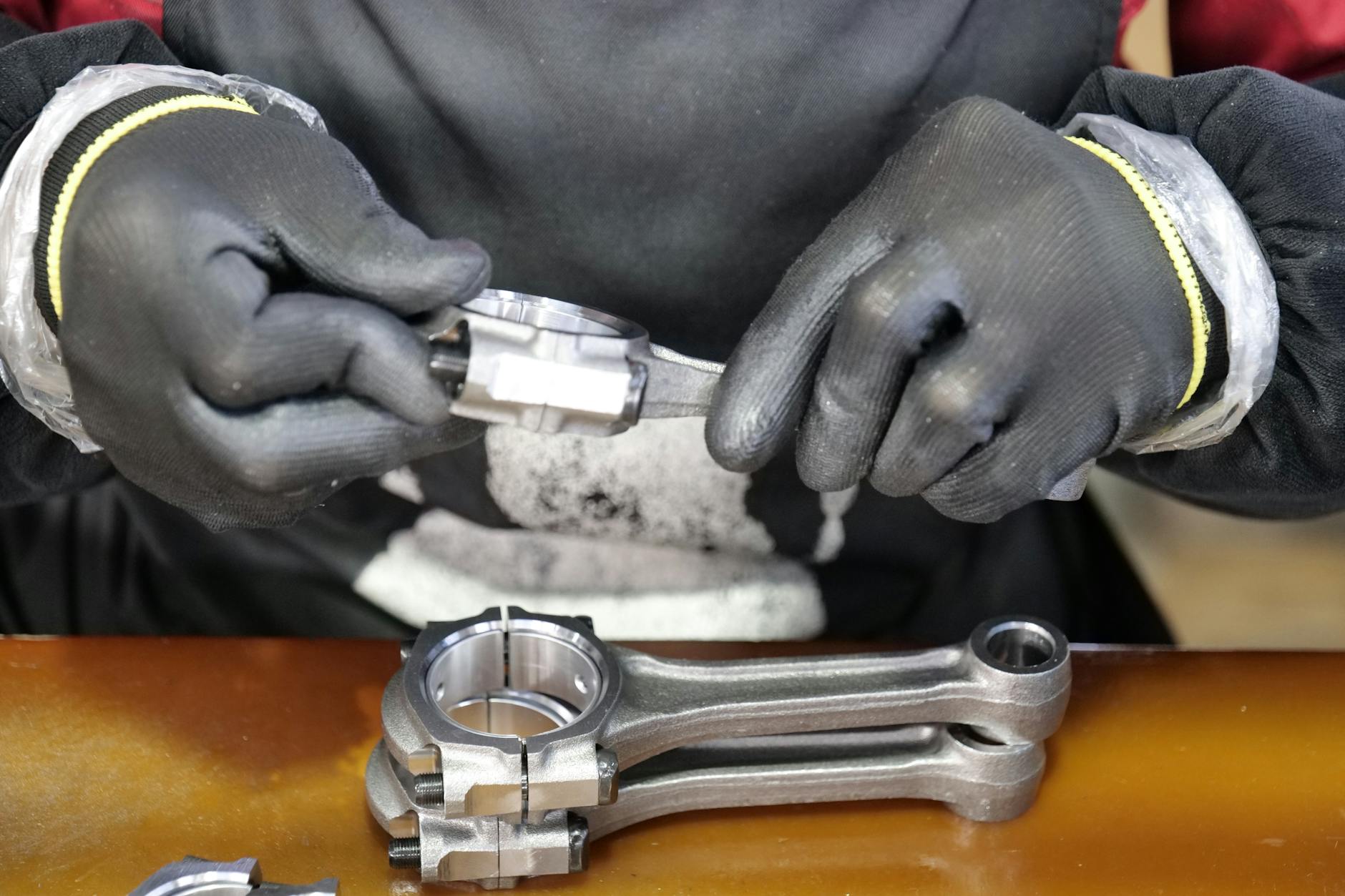
For each representative component, record its material, dimensions, mass, geometry and condition. Identify coatings, seals, inserts or other features that need the supplier’s compatibility review. Describe the contamination accurately; a general request to remove dirt leaves too much room for assumptions.
- Geometry: Identify recesses, blind passages and surfaces that are difficult to inspect.
- Handling: State how the component reaches the washer and where it goes afterwards. Ask the supplier to confirm the proposed loading arrangement.
- Workload: Give the actual batch mix and working window, including changes between different components.
- Finish: Define what the next process needs, such as an agreed inspection condition, absence of specified residue or a required dry state.
Ask whether a manual, automated or multi-stage proposal is appropriate for that brief. Do not assume an automated format can reach every surface merely because the component fits inside the chamber.
Agree a supplier-run acceptance trial
The following is a proposed evaluation method. It does not describe testing we have performed or establish a universal cleanliness standard.
Select representative parts with the supplier and responsible workshop personnel. Document the starting condition and the agreed inspection method. Have the supplier identify the approved cleaning process and compatibility limitations before the trial. Do not experiment with unspecified chemicals, settings or components to see what happens.
Evaluate the result at the point where the part would normally leave the cleaning process. Record any additional rinsing, drying, manual rework or repeat washing needed to reach the agreed endpoint. A demonstration that omits those steps cannot establish the complete process time or labour requirement.
Retain photographs or inspection records of the sample result, the proposed machine configuration and the supplier’s stated operating assumptions. If the test part is easier to clean than the normal work, record that limitation rather than generalising the result.
Review utilities, chemicals and waste responsibilities
Request written requirements for the proposed installation, including electrical supply, water, ventilation where applicable, space, access and any drainage arrangement. Have the site and supplier confirm what must be prepared before delivery.
SafeWork NSW advises workplaces to obtain a current safety data sheet before using a hazardous chemical and to keep updated information available.[3] Obtain the documentation for the actual cleaning products proposed and have competent personnel review it with the machine instructions and site assessment. Confirm applicable requirements with the relevant state or territory authority.
Assign responsibility for used liquid, removed contamination and other waste before purchase. A supplier’s general description of wash-water recycling is not permission to discharge waste or evidence that a local disposal obligation has been met. Confirm the site’s arrangements with the appropriate provider or authority.
Compare the installed and maintained scope
Request AUD quotations for the same delivered system. Separate equipment, selected options, freight, unloading, installation, commissioning, operator instruction and GST treatment. Ask for operating-cost estimates with their workload and consumable assumptions, rather than adopting a vendor’s general savings claim.
For rental, request the actual agreement: included maintenance, consumables, minimum term, service responsibilities, damage provisions and return arrangements. For purchase, request warranty conditions, local support, parts availability and the maintenance tasks retained by the workshop. Prices and contract terms require written confirmation.
Accept the process, not only the machine
Before ordering, resolve component compatibility, the agreed cleaning endpoint, required follow-on work, site preparation and waste ownership. Compare the proposals using the same acceptance record and cost scope. Retain unresolved points as conditions to be answered; a promising supplier demonstration is not a reason to leave them out of the contract.
Frequently Asked Questions
- Can a catalogue cleaning claim replace a trial on our components?
- No. Catalogue descriptions explain a supplier's proposed design. Compatibility and the required result should be confirmed for the components and process being purchased.
- Does water recycling establish that discharge is permitted?
- No. Confirm the proposed waste and discharge arrangements for the actual site with the appropriate provider or authority.
References
- Robowash: Automatic industrial parts washer machines (robowash.com.au)
- WashPod: Aqueous industrial parts washers (washpod.com.au)
- SafeWork NSW: Obtain and provide safety information (nsw.gov.au)