HROUS
How to Choose Construction Vibration Monitoring in Ontario
Choose construction vibration monitoring against a written scope covering assessment, background measurements, condition surveys and construction-stage monitoring—not an equipment quotation alone. DS Consultants and Jade Acoustics name assessment and construction monitoring separately, so do not assume every workstream is included.[1][2]

Separate four workstreams and name their owners
- Engineering assessment and monitoring plan: Ask the responsible engineer to define the purpose, Zone of Influence, sensitive receptors, project criteria and technical-review responsibilities. DS lists a Zone of Influence study and monitoring plan as named services.[1]
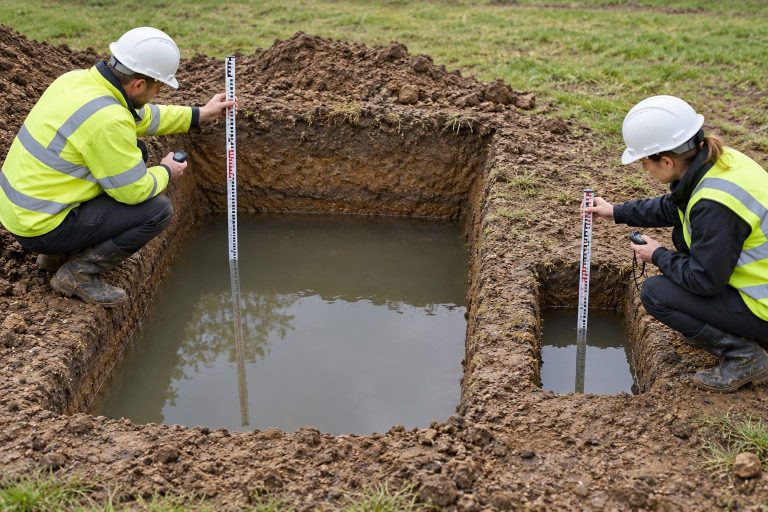
- Background-vibration baseline: Name who measures and reports existing vibration before construction. This environmental measurement is distinct from a building-condition record.[3]
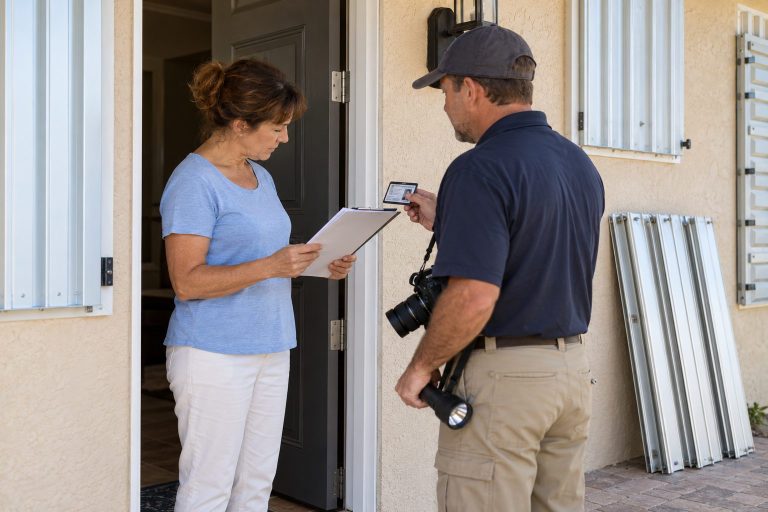
- Building-condition survey: Assign responsibility for photographs, written observations and property-access arrangements. Metrolinx describes condition surveys separately from baseline measurements.[3]
- Construction-stage monitoring: Assign instrument installation, data transmission, alerts and reporting. i2m offers short-term monitoring and continuous remote systems, with complete solutions including equipment installation, baseline monitoring, real-time alerts, data review and reporting.[5]
Request a named lead and deliverable for each workstream, including subcontracted work. Assign mitigation implementation to the contractor and technical review to the engineer. Keep the permit applicant’s responsibilities explicit rather than assuming they transfer to the monitoring supplier.
Confirm the municipality and permit duties
Use Toronto’s current City-posted Municipal Code, Chapter 363, Article 5, rather than the original 2008 amending by-law. Its framework includes an engineer’s preliminary study for identified vibration-generating activities and consultation, background measurements, condition inspection and a monitoring plan where the Zone of Influence extends beyond the site boundary. The zone uses PPV of at least 5 mm/sec, or a larger engineer-defined area; this is not a universal damage-safe limit. [6]
The Code also addresses advance notice, continuous measurement during relevant activities, written measurement submissions to the inspector, complaint investigation, and cessation and mitigation following prohibited exceedances. Assign these duties expressly where applicable. Confirm project-specific limits and reporting arrangements with the responsible engineer and Toronto Building. Do not apply Toronto’s framework automatically elsewhere in Ontario. [6]
The City’s Vibration Control Form says it is not required for residential construction under Part 9 of the Ontario Building Code unless a Code Examiner requests it. This is a form-submission exception, not a blanket exemption from vibration controls. Have Toronto Building confirm the requirements for your project. [7]
Specify the baseline, survey and instruments
Have the engineer specify baseline duration and representative measurement periods. Metrolinx describes its baseline as reflecting noise levels at different times of day and night and on weekdays and weekends; ask the engineer whether the vibration baseline needs a similar spread of periods.[3]
For condition surveys, specify access permissions, photographs, written observations, unsuccessful access records and whether a post-construction survey is included.[3][4][6] Have the engineer define the buildings, floors and surfaces needed for a useful before-and-after comparison.
Make the instrument plan an agreed deliverable:
- Locations and count: Request a receptor/location drawing tied to the engineering assessment. Metrolinx describes vibration monitoring near foundations and vibration-sensitive utilities, sometimes inside buildings.[3]
- Installation and maintenance: Agree who installs and calibrates instruments, checks communications, handles outages and approves relocations.
- Operating coverage: Specify when recording starts and stops, the quantities recorded and any required continuous coverage. Use the engineer’s assessment to establish the project’s instrument allocation.
Turn alerts into a response procedure
Ask the engineer to distinguish warning, action and applicable prohibited levels. i2m offers configurable thresholds and email or SMS notifications; specify the response responsibilities separately.[5]
Attach a contact schedule naming primary and backup recipients, the event reviewer, contractor supervisor, person authorised to pause work, mitigation owner and person authorising restart. Agree acknowledgement and escalation times in writing.
Set out the response sequence:
- Receive and acknowledge the notification.
- Review measurements alongside the construction activity occurring at the time.
- Take the specified action, including pausing work where necessary.
- Record the decision and verify mitigation before an authorised restart.
Include a complaint procedure. Name who receives complaints, arranges any required measurements and interpretation, communicates results, pauses work and verifies mitigation before restart. Ensure the agreed procedure meets the applicable municipal requirements.
Commission an event/response log recording notifications, activities, measurements, decisions, responsible people and mitigation checks. Treat this as a project deliverable, not a prescribed Ontario-wide log format.
Specify data access and final handover
Give named project parties access to current and historical measurements, event records, PPV and frequency data, with an agreed reporting frequency. i2m describes these capabilities; make the required deliverables explicit in the appointment.[5]
Agree required submissions with the inspector and engineer, including their timing and delivery method. Name who prepares, checks, submits and retains each delivery; confirm whether portal access or periodic summaries meet the project’s requirements.
Specify a final handover containing:
- Measurement exports, instrument details and location records.
- Baseline and condition-survey reports, plus commissioned engineering reports.
- Alerts, response decisions and mitigation records.
Agree file formats, retention periods and post-contract access before appointment.
Use published scopes to question suppliers
Use service descriptions to frame quotation questions, not as proof of an all-inclusive package.
- DS Consultants: Its cited page names Zone of Influence studies, monitoring plans and construction-stage monitoring, and describes real-time cloud-based units.[1] Ask which workstreams the quotation includes.
- Jade Acoustics: Its construction service includes Zone of Influence reports and engineering support for continuous monitoring, with Toronto shoring and high-rise construction as a typical example.[2] Ask who supplies instruments, manages alerts and delivers records.
Neither cited page establishes Ontario-wide coverage; confirm service at the project address and experience with its jurisdiction before appointment.[1][2]
What to confirm with each provider
The cited DS Consultants and Jade Acoustics pages do not state prices or commercial terms sufficient to cost an appointment.[1][2] Request an itemised quotation covering:
- Scope and fees: Jade Acoustics lists noise and vibration assessment and Zone of Influence reports, but not their fees. Request costs for these and details and fees for baseline work, surveys, monitoring installation, instrument hire, communications, complaint attendance and final data export.[1][2]
- Programme changes: Minimum duration, extensions, pauses, relocation, remobilisation and access-delay charges.
- Contract terms: Deposits, cancellation, equipment and data ownership, retention, post-contract access, response-time commitments and evidence of insurance.
Define the end point by activities, not a calendar date alone. SLR says vibration monitoring is typically required when the Zone of Influence includes nearby structures.[4]
Before signing, close exclusions and unnamed responsibilities in writing. The appointment should identify who assesses, measures, reviews, responds and delivers the records—not merely who provides the instruments.
References
- Instrumentation & Monitoring – DS Consultants Ltd. (dsconsultants.ca)
- Services | Jade Acoustics Inc. (jadeacoustics.com)
- Noise and Vibration Management (metrolinx.com)
- Construction vibration: How to avoid complaints, delays, and damage (slrconsulting.com)
- Construction Vibration Monitoring Toronto & Ontario | i2m (i2minc.ca)
- Toronto Municipal Code, Chapter 363 — Building Construction and Demolition, Article 5 (toronto.ca)
- City of Toronto — Vibration Control Form (toronto.ca)