HROUS
Damp Survey for UK Owners: Choose Diagnosis or a Works Quotation
To separate damp diagnosis from treatment sales, compare the investigator’s commercial links and written deliverable—not just the fee. Damp Surveys Ltd lists paid independent diagnostic advice; Property Conservation Services offers a free remedial survey leading to its own treatment quotation.[2][3]
Compare the appointment models
Damp Surveys Ltd
- Commercial independence: Its Which? Trusted Traders listing describes an independent diagnostic service. That description does not establish PCA Independent Surveyor membership.[2]
- Published price: An independent video damp survey costs £500, with a written PDF report costing an additional £250.[2]
- Written deliverable: The PDF is a separately priced addition, rather than part of the video appointment fee.[2]
Property Conservation Services
- Commercial independence: A remedial surveyor assesses the property and recommends work its own damp specialists can perform.[3]
- Published price: The remedial survey is advertised as free.[3]
- Written deliverable: The company says it sends a full report, treatment recommendations and a works quotation within a few days of the visit.[3]
The choice is between buying diagnostic advice and considering a contractor’s proposed treatment package. These are different purchases, even when both are called a “damp survey”.[2][3] Do not use customer reviews as evidence of diagnostic accuracy: the Damp Surveys Ltd listing’s testimonials are individual customer accounts.[2]
Damp Surveys Ltd lists a London address and online-only booking.[2] Confirm coverage for your address and whether the proposed appointment is remote or on-site before committing.
Independent and freelance mean different things
The Property Care Association (PCA) distinguishes two membership categories:
- PCA Independent Surveyor: an individual providing specialist surveying with no commercial link or interest in a person or organisation deriving profit or gain from building-preservation work.[1]
- PCA Freelance Surveyor: a specialist surveyor with a declared commercial link to one or more people or organisations benefiting from building-preservation work. Under these definitions, “freelance” does not mean “independent”.[1]
A directory category describes the commercial relationship, not the scope of a particular investigation. The PCA’s definitions do not specify a standard inspection process or fee.[1]
Ask who will investigate, what qualifications they hold, who receives payment for the diagnosis and who could benefit from recommended repairs. Request disclosure of referral arrangements or other treatment-provider links rather than relying on the word “freelance”.
Agree the scope and any opening-up
A visual assessment, whole-property investigation and intrusive testing are different services. These published scopes show what to clarify in writing; they are not equivalent packages.[3][4][6]
- Property Conservation Services — coverage: owners are asked to provide access to the property and every room of concern.[3] Methods: its standard survey is non-invasive, using small equipment or moisture meters on timber and other building materials.[3] Limits: sampling may be needed where mould spores are suspected, and formal diagnosis may await test results.[3]
- AMS Surveys — coverage: its initial inspection includes internal and external visual checks of walls, floors and ceilings; its stated service area is Cheshire, Lancashire, Liverpool and Manchester.[6] Methods: further investigation can include approximately 10 mm drilling, lifting skirting or floorboards, removing small plaster areas and taking material samples.[6] Limits: AMS warns that concealed problems may remain undiscovered during non-intrusive inspection.[6]
- Pennington Choices — coverage: its service principally addresses housing providers. Tier 1 assesses whether damp or mould exists; Tier 2 examines the whole property, including construction, cause and effect, with recommendations.[4] Methods: Tier 1 is visual; Tier 3 adds intrusive building-pathology assessment.[4] Limits: do not assume Tier 1 includes the causal investigation or opening-up described in higher tiers.[4]
Ask which rooms and external areas are included, what access you must arrange and which tests the fee covers. Request an explanation of what will remain concealed or inaccessible and which findings would trigger further investigation.
Before opening-up, agree permission, locations, additional charges, responsibility for making good and how declined or incomplete testing will affect the report. Ask what observations and tests support any proposed diagnosis, rather than accepting a moisture reading without explanation.
Check commercial relationships as well as technical scope. AMS describes its advice as independent, but its page also refers to “diagnosing and treating” rising damp; the cited page says AMS specialises in this treatment.[6]
Prepare a written brief
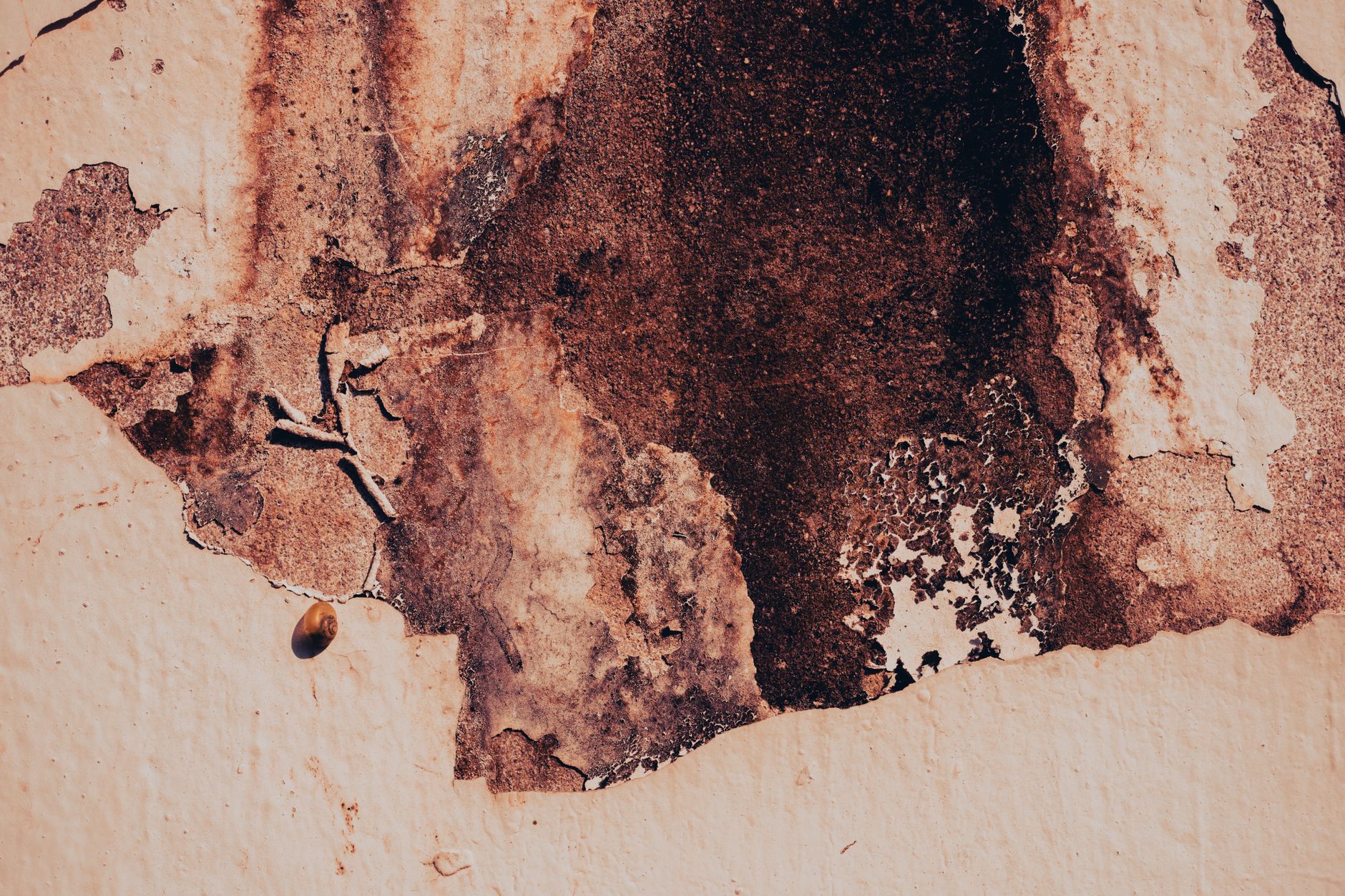
Damp patches, mould, persistent condensation, musty smells and peeling finishes are among the symptoms described as reasons for a focused investigation.[5][6] Describe what you notice without assigning a cause.
- Symptoms and history: list affected rooms, when symptoms appear, known leaks, previous repairs or damp-proofing, and existing quotations.
- Property use: describe ventilation, extractor-fan use and clothes drying where relevant. Damp Surveys Ltd customer accounts mention these discussions, but they are not formal intake requirements.[2]
- Access: identify available rooms and inaccessible areas. Property Conservation Services asks owners to explain their concerns and provide access to every room of concern.[3] Ask how access-related uncertainty will be recorded.
Use this as your briefing checklist, not a mandatory intake form. Request written confirmation of the named investigator, qualifications, commercial links, inspection areas, testing allowances, total fee, deliverables and follow-up arrangements.
Record the property’s UK nation and tenure, and check any legal advice against those details. Pennington Choices discusses legislation in a housing-provider context, rather than establishing a single rule for every UK homeowner’s appointment.[4]
What to confirm with each provider
Keep unresolved terms in the booking correspondence:
- Damp Surveys Ltd: ask for written confirmation of cancellation/refund terms, warranty and survey duration, alongside coverage for your address.[2]
- Property Conservation Services: ask for written confirmation of cancellation/refund terms, warranty and service area.[3]
- AMS Surveys, if considering intrusive investigation: ask for written confirmation of survey prices, cancellation/refund terms, warranty, report-delivery deadline and an explicit permission process for opening-up.[6]
- Pennington Choices, for housing-provider appointments: ask for written confirmation of prices, survey duration, cancellation/refund terms, warranty and geographic service area.[4]
Use the report to scope repairs separately
Ask for a report separating observations, likely causes and recommended actions. Home Energy Save GB describes focused damp reports as covering affected areas, moisture readings, photographs, likely causes and recommended fixes; this is its description, not a universal report standard.[5]
Request a record of inspected and inaccessible areas, investigation limitations and recommended further tests. Agree these deliverables before booking rather than assuming every “damp report” includes them: Pennington Choices distinguishes visual assessment from whole-property investigation and intrusive building-pathology assessment.[4]
- Identify what the report establishes. Keep evidence, explanation and treatment recommendations distinct. Where the surveyor also quotes for repairs, ask for findings to be separated from the proposed treatment package. Property Conservation Services combines a report, recommendations and its own works quotation.[3]
- Resolve material uncertainty. Ask: “What evidence or additional investigation would change this recommendation?” Agree follow-up where needed; AMS acknowledges that non-intrusive inspection can leave concealed problems undiscovered.[6]
- Seek quotations against a defined scope. Use the findings to describe the defect and recommended action. Ask contractors to identify proposed work, exclusions, access assumptions and responsibility for making good, then compare those scopes—not headline prices alone.
This sequence keeps the diagnostic decision separate from the repair purchase, reflecting the distinction between PCA independence and an assessment linked to remedial sales.[1][3]
References
- Find an Independent Surveyor | Damp | Timber | Weeds (property-care.org)
- Damp Surveys Ltd – Which? Trusted Traders – Which.co.uk (which.co.uk)
- What happens during a damp survey? (propertyconservation.co.uk)
- Damp and Mould Surveys (pennington.org.uk)
- Damp Survey vs Building Survey: Which is Better? (homeenergysaveuk.co.uk, 2025)
- What Happens in a Damp and Timber Survey? (amssurveys.co.uk)