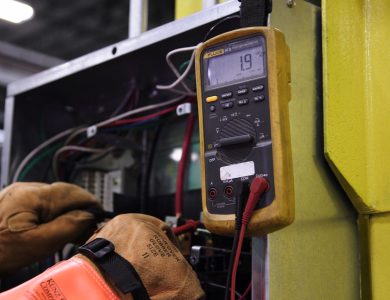
A new commercial perimeter fence is a coordinated site project: the boundary, vehicle gates, pedestrian access and temporary security during installation all need an owner. US property managers can make bids more comparable by issuing one site brief and asking every installer to identify the same inclusions and unresolved conditions.
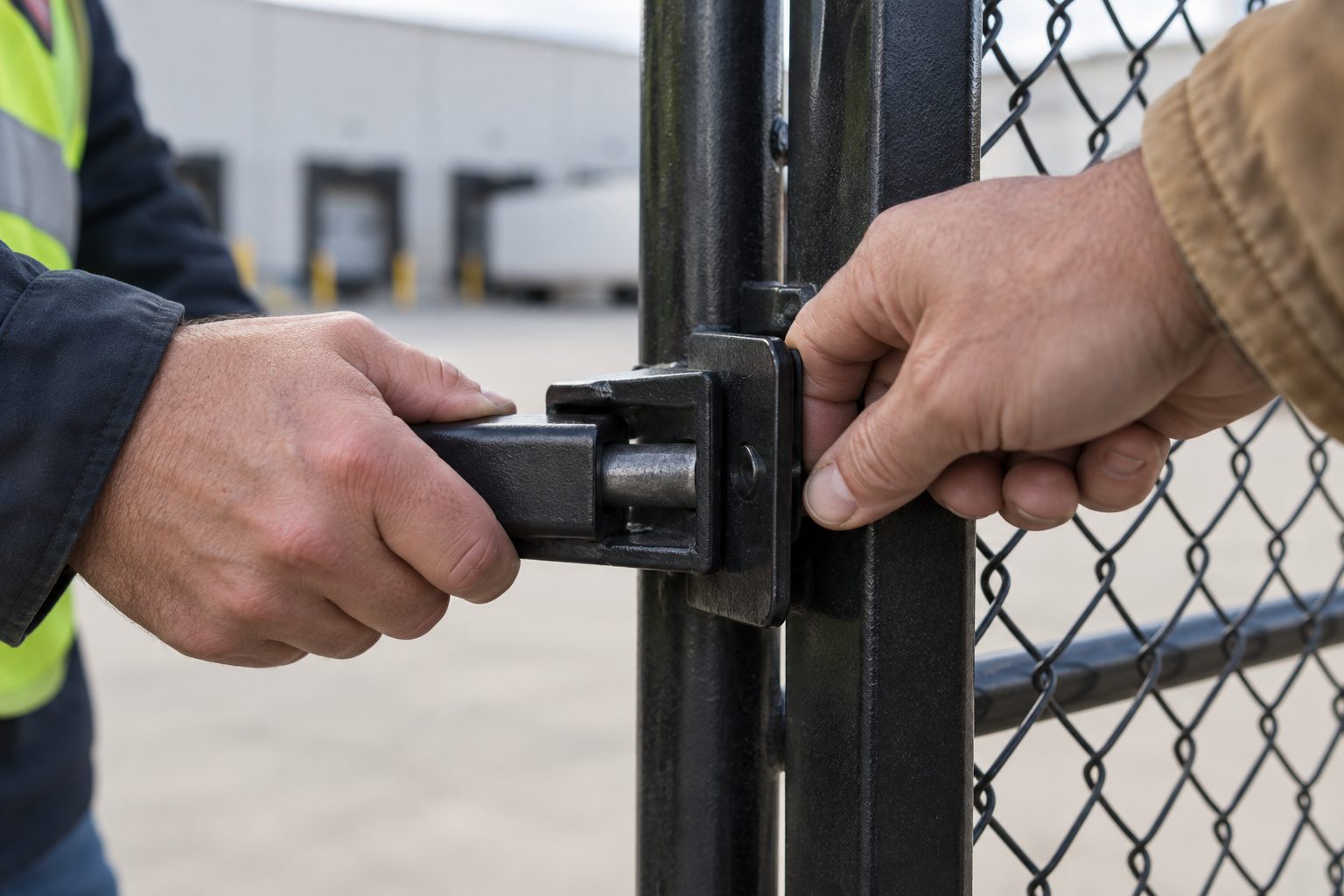
Good Shepherd Fence Company and Long Fence illustrate two suppliers to investigate in their respective service areas. Their official pages were checked on 27 September 2026. This is a procurement comparison, not a workmanship ranking or evidence that either serves every US address.
Compare the published service scope
- Good Shepherd Fence Company — What its website describes: The Indianapolis-based company lists commercial fencing, commercial gates and gate automation among its services.[1]; What to confirm for the project: Service coverage, suitable fence and gate options, and whether the quoted team owns the whole installation or coordinates other trades.
- Long Fence — What its website describes: Long Fence advertises commercial fencing, access-control and security-gate work, with locations including Maryland, Virginia and Washington, DC.[2]; What to confirm for the project: The delivery team for the address, system interfaces, installation scope and post-handover support.
A supplier’s general service description does not establish who will obtain a particular permit, confirm a property boundary or arrange utility-location work. Have those responsibilities assigned in the written proposal. Do not infer a company-wide promise from a customer testimonial.
Prepare a brief that describes the real perimeter
Supply an available site plan, the intended use of each boundary segment and the known constraints. Mark access points, deliveries, pedestrian routes, existing structures and areas where the boundary or underground information needs verification. Ask the appropriate qualified parties to resolve uncertainties before the installer relies on them.
Describe the operational outcome: for example, separating a storage yard from visitor parking while keeping the delivery route usable. Leave material, foundation and gate-system specifications to the relevant qualified designer or installer, supported by the site assessment.
Keep the gate interfaces visible
A gate opening on a drawing does not fully define the access system. Ask the bidder to identify who supplies and commissions any powered equipment, electrical connection, access-control integration and necessary safety arrangements. Include the process for loss of power, an authorised manual response and a fault call.
Request a design and commissioning review appropriate to the proposed gate and location. This article does not specify safe operating forces, clearances or a universal gate-safety design. Those require competent assessment and applicable requirements.
Use a common bid schedule
- Boundary segments: match each quoted length and fence type to the same plan revision.
- Gates and interfaces: separate the gate structure, operating equipment, electrical work, controls and commissioning.
- Site preparation: identify removal, disposal, vegetation or access work and any restoration included.
- Approvals: name the party responsible for checking local requirements, submitting necessary applications and paying associated fees.
- Site continuity: show installation phases, temporary perimeter arrangements and vehicle or pedestrian diversions.
- Commercial terms: record taxes, exclusions, lead-time assumptions, variation approval and the specific warranty offered.
If one bidder excludes access controls or restoration, obtain a complete comparison before treating its lower total as a saving. Ask whether subcontractors will perform material parts of the work and who remains accountable for the finished system.
Define acceptance before installation
A proposed handover record should identify the installed work against the approved plan, outstanding items, gate commissioning evidence where relevant, operating instructions, authorised user training and warranty contacts. Agree who will verify that required approvals and inspections have been completed.
Walk the route with the installer and site representative using the agreed acceptance criteria. Record defects and their resolution rather than treating delivery of materials or first gate movement as final acceptance.
Choose the installer whose site-specific proposal resolves the boundary, interfaces and handover responsibilities. Published breadth of service is a useful starting point, but the signed scope determines what the project actually receives.
References
- Good Shepherd Fence Company — Commercial fence and gate services (goodshepherdfencecompany.com)
- Long Fence — Commercial fencing and gates (longfence.com)