HROUS
How to Choose Plastic Compounding Services for US Buyers
Choose a plastic compounder by agreeing who supplies the recipe and materials, who owns the formulation, and what evidence will approve the pilot and subsequent production lots. Use published capabilities to define the work, then put responsibilities, acceptance criteria and charges in writing.
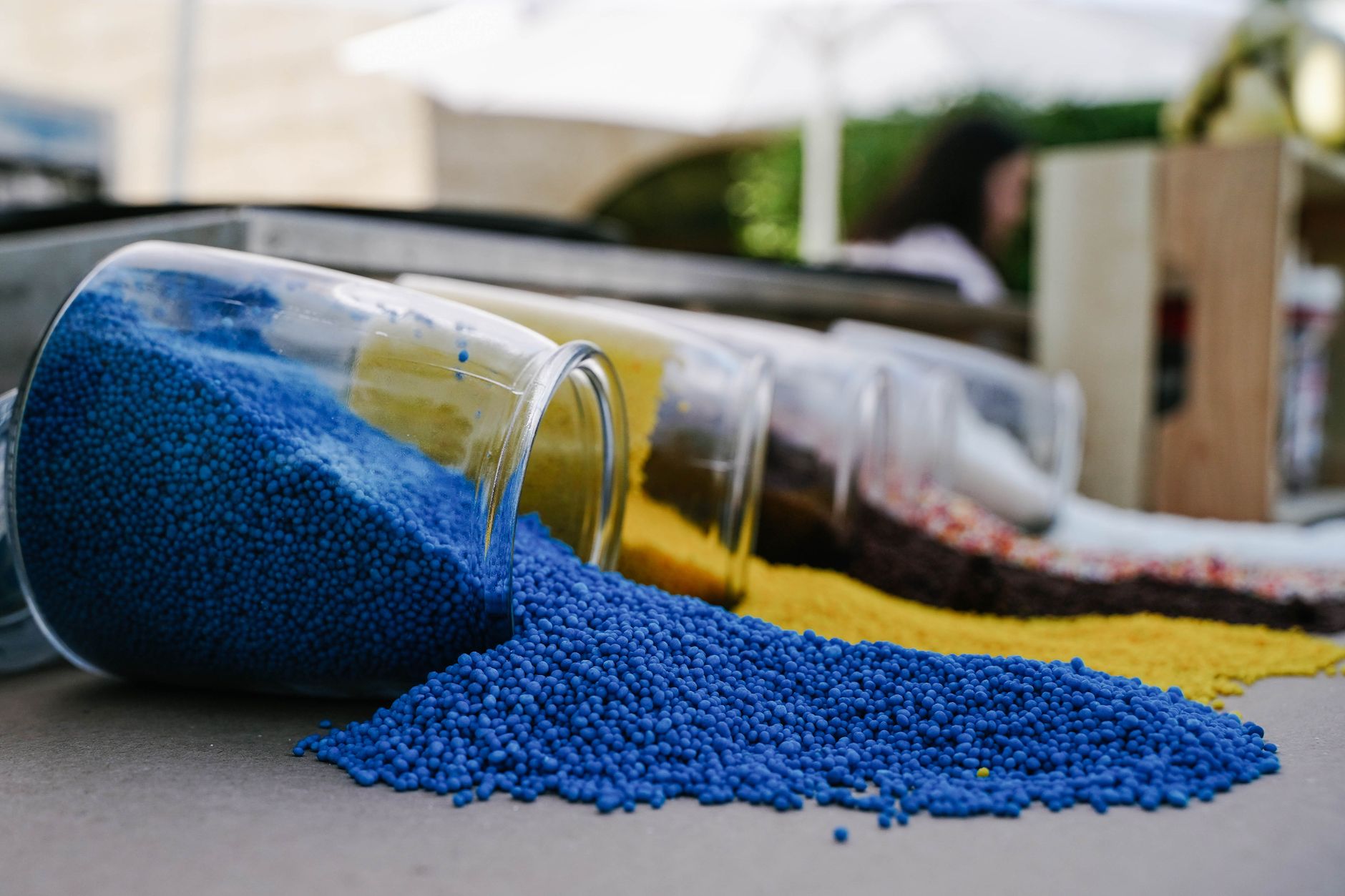
Choose customer-recipe tolling or custom formulation
Start with whether you have an executable recipe or need formulation development. KokoQuest distinguishes toll compounding—processing client-owned materials to specification—from custom-compounding R&D to develop additive packages or polymer blends. [2]
Ensinger states that industry-standard filling levels are 30 to 40% and that its compounding technology achieves filling levels far over 40% reliably and reproducibly. [1] Treat this as production scope, not an agreement on formula ownership or guaranteed performance.
Put the boundary in writing: name who supplies or develops the formula, who validates it against the specification, and what written approval ends development. Define production responsibility and scale-up acceptance separately.
Assign responsibility for every raw material
For each polymer, filler, additive and colorant, name who specifies, approves, purchases, supplies, receives and stores it. Don’t infer that split from “toll compounding”: KokoQuest describes client-owned raw materials, while Ensinger offers raw-material procurement alongside production to a customer’s recipe. [2][1]
Include these proposed requirements in the agreement:
- Approved inputs: Record ingredient grades and suppliers, plus who authorizes substitutions.
- Inventory and losses: Assign ownership of unused material and responsibility for purchasing commitments, trial losses and waste charges.
- Availability: Identify who confirms material availability before releasing a trial or production order.
Agree formula ownership and recipe access before trials
Ensinger’s and Insight Polymers’ cited pages do not state formula ownership, recipe-access, confidentiality, licensing or termination rights. [1][3] Resolve these in a written agreement before authorizing development:
- Existing inputs: Identify your recipe and the supplier’s pre-existing know-how, keeping ownership and permitted uses separate.
- Development results: Specify ownership of new formulations and later improvements, including proposed licenses or exclusivity.
- Recipe access: Establish whether you receive the complete recipe or a supplier product code, and whether you may transfer production to another compounder.
- Confidentiality and exit: Define permitted disclosures and access to formulation information after termination.
Do not treat development payment as a substitute for explicit rights language.
Turn application requirements into a measurable specification
Use one controlled specification, with a revision identifier governing pilot evaluation and repeat production. KokoQuest recommends defining mechanical, thermal and electrical properties, target melt-flow index, end-use environment, annual volume, regulatory needs and handling requirements before engagement. [2]
Make the proposed requirements measurable:
- Properties: Agree test methods, specimen preparation and conditioning where applicable, reporting units and acceptance limits.
- Color: Identify the reference standard, measurement approach and acceptable variation.
- Delivery: Specify packaging, labeling, handling instructions and required lot documentation.
Keep compliance evidence separate from functionality. Insight Polymers lists flame retardance, conductivity, strength and other capabilities. [3] Ask Insight Polymers to confirm the particular rating, approval or application-specific compliance for your formulation. Request food-contact, medical or other relevant compliance evidence tied to the proposed material and intended use.
Define how the pilot batch earns approval
Make pilot approval depend on documented results, not completion of a trial. Insight Polymers describes internal twin-screw pilot equipment and small development-batch trials that screen formulation and processing parameters for proof of concept and small-scale manufacturing. [3]
Before authorizing work, agree on a pilot plan covering:
- Deliverables: Total batch quantity, usable material reserved for evaluation, formulation revision and identified samples.
- Evaluation: Who performs and pays for each test, which downstream application trials you will conduct, and when results are due.
- Approval evidence: Required material-test and application-trial results, plus written sign-off by named buyer roles.
- Failure and exit: Who investigates failure, whether another formulation iteration is included, what additional work costs and when either party may stop.
Define pilot approval as a development milestone—not automatic authorization for unrestricted production.
Make scale-up a separate acceptance gate
Ensinger lists scale-up to large-volume series machines, process selection and optimization, and production-accompanying quality checks and documentation. [1] Use those capabilities as a starting point for a separate production-scale approval plan:
- Run definition: Specify the formulation revision, proposed process changes and first-production quantity.
- Acceptance: Set tests and criteria for checking production-scale results against the approved specification and retained pilot reference.
- Release authority: Name who reviews results and authorizes further production.
- Failure costs: Assign investigation, rework, replacement-trial and unusable-material costs.
Agree a hold point before further production, with written approval required to proceed or conduct a corrective-action trial.
Write repeat-lot release and rejection rules
Carry the approved specification into repeat production. Put the following proposed checks into the quality agreement:
- Release criteria: Define a lot, sampling frequency, test methods, tolerances, color limits, packaging checks and certificate-of-analysis fields.
- Retained samples: Agree sample quantity, storage conditions, retention period, who holds samples and who may request testing.
- Traceability: Request records linking ingredient lots, formulation revision, production lot, test results and approved deviations.
- Hold and inspection: Name release authority, define deviation approval before shipment, and set receiving-inspection and rejection-notification procedures.
- Disputes and remedies: Agree who performs and pays for retesting and who authorizes return, rework, replacement or credit.
Ensinger lists production-accompanying quality checks, documentation and customer-specified special packaging—capabilities to investigate, not confirmation this checklist is included. [1]
What to confirm with each provider
Ask Ensinger and Insight Polymers to confirm prices, numerical pilot quantities, included iterations, approval deadlines, repeat-lot acceptance terms and commercial terms, and ask Insight Polymers to confirm its service territory. [1][3] Request a written quote and agreement covering:
- Scope and rights: Development and production responsibilities, material supply, formula ownership and recipe access.
- Acceptance: Pilot quantity and sign-off, scale-up approval, repeat-lot testing and failure remedies.
- Charges: Development, raw materials, production, testing, packaging and shipping, including additional trials.
- Order terms: Ensinger lists production quantities from 1 t/a to 250 t/a per compound formulation; ask each provider to confirm specific lead times, deposits, cancellation rules and committed-inventory terms. [1][3]
- Delivery: Ensinger’s About Us page lists production facilities in Nufringen, Cham, Rottenburg-Ergenzingen and Garbsen, Germany[4]. Confirm the production site for your toll-compounding order and ability to serve your US destination; do not infer domestic production from Ensinger’s US-localized page. [1][3]
Send the same responsibility-and-acceptance checklist to prospective suppliers. Resolve material exceptions before issuing the development or production order.
References
- Toll compounding | Ensinger (ensingerplastics.com)
- Plastic Compounding Companies | US Supplier Directory | KokoQuest (kokoquest.com, 2026)
- Plastic Products Supplier | Custom Plastic Compounding (insightpolymers.com)
- About Us | Ensinger (ensingerplastics.com)