HROUS
Choosing a Beginner Beekeeping Course in Victoria: Compare Hive Practice and Weather Backup
Choose Castlemaine for two scheduled practical sessions alongside repeated theory classes, or consider Bob’s for a one-day course with a published weather backup—but check how much supervised hive handling you will personally receive before booking. [1][2]
As at 2 November 2026, the decisive difference is repeated scheduled practice versus an explicit backup arrangement, not evidence that either course produces more capable beekeepers. Neither listing establishes how much individual practice is enough to prepare you for a first colony. [1][2]
Compare repeated sessions with a one-day course
Castlemaine Community House
- Scheduled hive practice: Tuesday theory sessions run from 10 November to 15 December 2026, 6–9 pm, with practical sessions in Guildford on 21 November and 19 December, 9 am–noon. Ask how much supervised handling you personally receive during those practicals. [1]
- Weather contingency: Ask Castlemaine what happens if weather prevents practical hive work and whether a replacement session is available. [1]
- First-colony preparation: The curriculum covers seasonal tasks, equipment, safety, pests, diseases and Varroa management. These are relevant topics, but the listing does not establish an individual learner’s readiness to care for a colony. [1]
Bob’s Beekeeping Supplies
- Scheduled hive practice: The 15 November 2026 course runs from 10 am–4:30 pm, combining theory with a weather-dependent hive opening and inspection. Ask how much involves handling the hive under supervision rather than watching. [2]
- Weather contingency: If poor weather prevents inspection, participants can postpone that activity; the listed backup for 15 November is 14 February 2027. Check whether this later practical date fits your plans. [2]
- First-colony preparation: Topics include obtaining your first bees, seasonal care, equipment, legal requirements and hive inspection. This describes the teaching content, not a guarantee of readiness to manage a colony independently. [2]
Check whether the weather backup fits your plans
Bob’s 15 November course has a 14 February backup: a potential November-to-February wait for hive practice if weather intervenes. Its weather term offers an opportunity to postpone the hive-opening activity—not a repeat of the entire course. [2]
Before relying on a replacement practical, ask whether it includes supervised handling, whether your place is guaranteed, whether additional charges apply and what happens if the replacement date is also unsuitable.
Castlemaine’s two scheduled practical dates offer repeated opportunities, but do not themselves establish replacement arrangements. [1] If your aim is to practise before buying bees, leave the colony purchase uncommitted until you know when supervised hive work can happen—not simply when classroom teaching starts.
Verify how much hive work you will personally do
The cited Castlemaine and Bob’s pages do not state minutes handling frames, turns per learner, hives personally inspected or instructor-to-participant ratios. [1][2] Ask both providers:
- Will every learner handle frames, rather than only watch?
- Which inspection tasks will each person perform?
- How many learners share a hive and supervisor?
- Can each learner repeat a task and receive feedback?
Ask them to distinguish observation, assisted participation and independent attempts under supervision, rather than describing all three as “hands-on”.
Castlemaine’s two practical dates and Bob’s practical within a one-day course describe different schedules, not measured differences in individual handling or outcomes. [1][2] Choose based on the participation the provider can explain, as well as the timetable.
Confirm dates, seats and location before booking
Both providers advertise dates ahead of this comparison’s 2 November 2026 date, but a listing or booking link does not confirm a remaining seat. [1][2]
- Castlemaine: Bookings close 5 November, with a “Book Now” route on the page. Theory is at Castlemaine Community House and practicals are in Guildford, so check you can attend both locations across the November–December schedule. [1]
- Bob’s: Advertised course days include 15 November 2026 and 14 February 2027, both 10 am–4:30 pm. February is listed both as a separate course day and as November’s backup hive-inspection date. [2]
Request written confirmation of a seat, every date you need to attend and the exact venue. Bob’s overview names both Edendale Community Farm and Windjana, while its schedule does not resolve the location. [2][3]
Bob’s also requires a minimum enrolment: if it is not reached within one week of the start, participants are invited to the next course. Ask Bob’s to confirm the minimum number. [2] Check how a postponement would affect your practical date before arranging to obtain bees.
Separate fees, inclusions and optional purchases
- Castlemaine: The published fee is $220.50 full price or $189.50 concession. The $189.50 early-bird offer ended on 13 October, before this comparison date. [1]
- Bob’s: Request a tuition quote. Its optional Australian Beekeeping Manual costs $40, separate from the included practical booklet. [2]
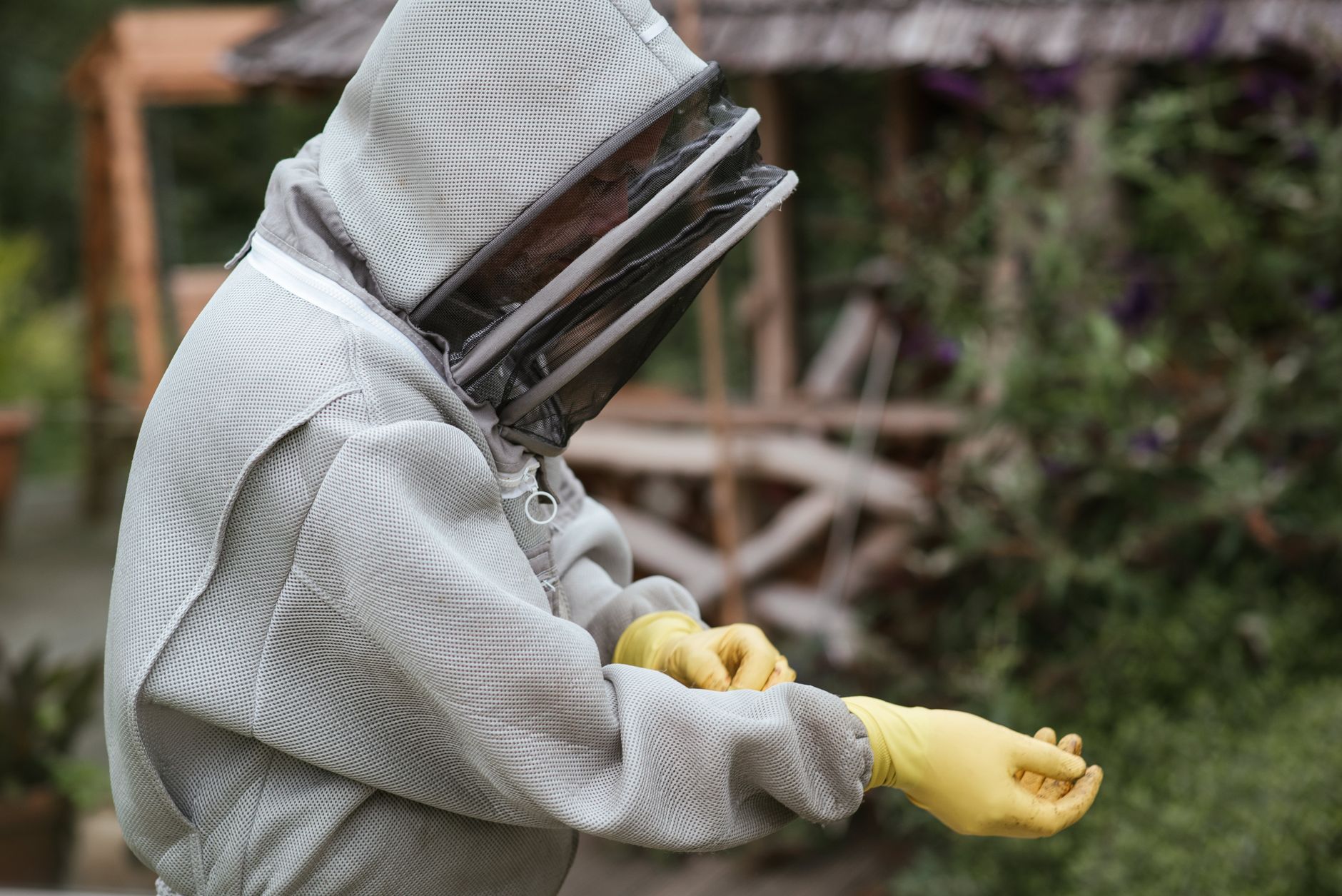
For Bob’s hive inspection, loan protective clothing includes an overall or jacket and suitable gloves. Participants bring their own thick long socks and closed footwear. Morning tea, lunch, tea and coffee are included. [2]
Keep tuition, optional books and course-day clothing separate from later purchases of bees, a hive, tools and personal protective gear. Ask for a first-colony setup budget separately rather than treating the course fee as the total cost of getting started.
What to confirm with each provider
Ask Castlemaine to confirm clothing loans, required clothing, materials and optional equipment prices; ask both providers for participant cancellation and refund terms and a first-colony setup budget. [1][2] Before paying, confirm:
- Personal participation: which tasks you will perform, group size and opportunities for feedback.
- Weather and changed dates: replacement arrangements, charges and what happens if you cannot attend.
- Fees and eligibility: Bob’s tuition quote and Castlemaine’s concession eligibility.
- Clothing and materials: Bob’s provides a protective overall/jacket and suitable gloves for participants opening and inspecting a hive; confirm clothing sizing at Bob’s, and Castlemaine’s clothing and materials inclusions, requirements, and loan-clothing availability and sizing. [1][2]
- Cancellation: the terms for withdrawing or declining a changed date.
Choose training before committing to a first colony
Choose Castlemaine’s repeated practical schedule if it suits your timetable, after confirming active participation and weather arrangements. Consider Bob’s one-day format if it suits you and the possible February inspection backup is acceptable. [1][2]
Bob’s curriculum draws on Certificate III units; its listing does not say this short course awards Certificate III. [2] Focus on the practical preparation offered, rather than reading the curriculum reference as a qualification.
Before ordering bees, discuss with the trainer what preparation to complete and what further support to seek if you are not ready after the course. Obtain written answers on personal handling, weather backup and total fees, along with confirmation of a seat.
References
- Introduction to Beekeeping – Castlemaine Community House (cch.org.au)
- Beekeeping Courses in Melbourne | Bob’s Beekeeping Supplies (bobsbeekeeping.com.au)
- Beekeeping Courses For Beginners | Bob’s Beekeeping Supplies (bobsbeekeeping.com.au)