Compare parking lot sweeping bids against a marked site plan and an agreed definition of a completed visit. For a US retail-property manager, price per visit is only meaningful when the bids cover the same areas, tasks, access conditions and reporting requirements.
First confirm that each provider serves the actual address and proposed service window. A national network, a regional operator and a local contractor can all be relevant, but their public descriptions do not establish availability or identical service at your property.
Use provider information to frame questions
- 1-800-SWEEPER — What its own material describes: Parking lot sweeping through its service network, with programmes tailored to the property. [1]; What to confirm locally: The operating contractor, covered address, actual schedule and person accountable for service problems.
- RueVac — What its own material describes: Southern California parking lot service, with GPS tracking and site checks described as part of its service approach. [2]; What to confirm locally: What report the property manager receives and how missed areas or blocked access are recorded.
- Cantel — What its own material describes: Parking area sweeping in the Portland and Vancouver area, with an orange visit card described as evidence of attendance. [3]; What to confirm locally: The scope behind the card and the process for reporting a task that could not be completed.
These are examples of suppliers and reporting approaches, not an independently tested ranking. Ask for current service details and a sample report from the contractor that would perform your work.
Define what the visit includes
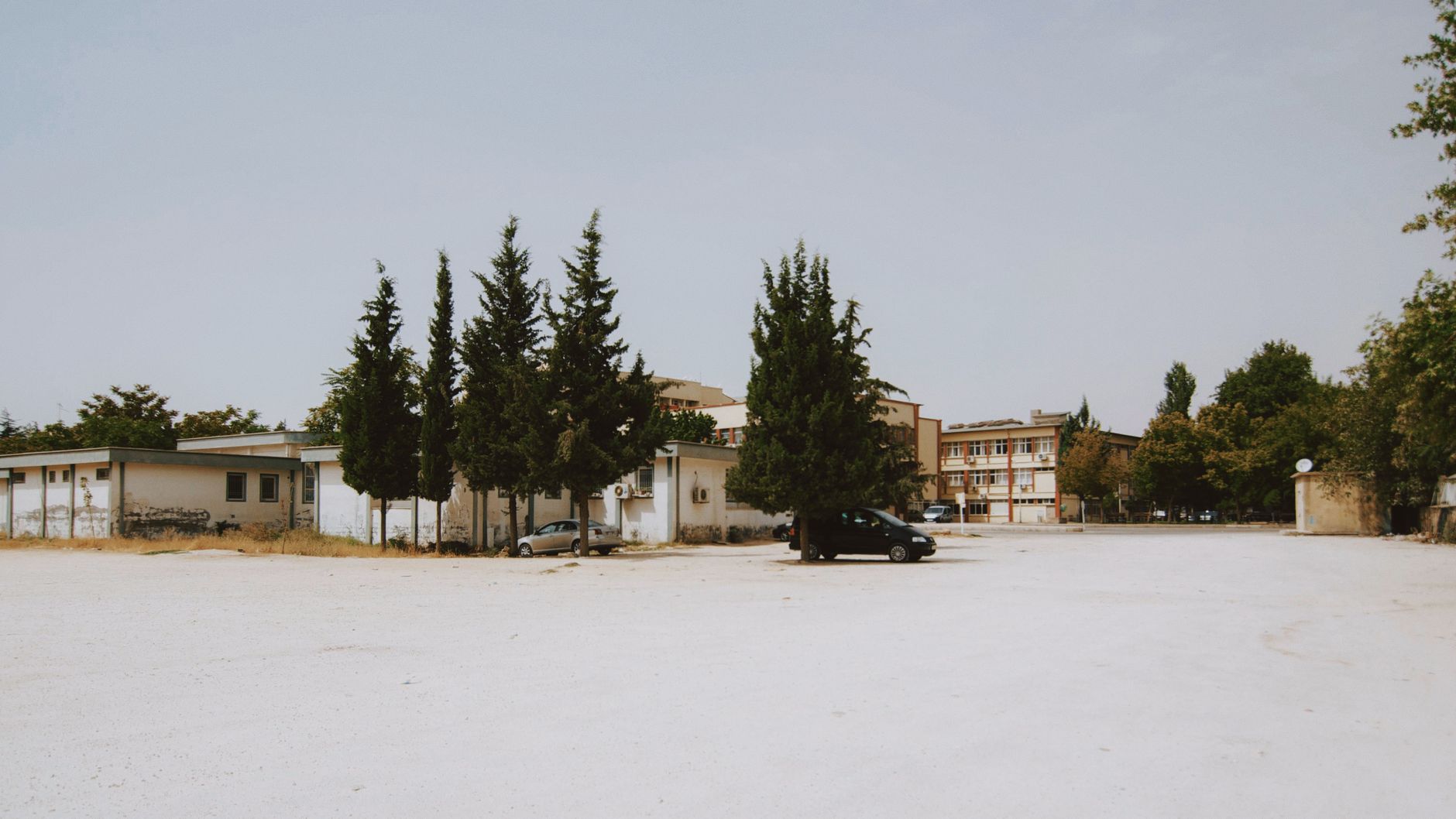
Give every bidder the same map. Identify the driving lanes, parking bays, curb edges, entrances, loading areas and any separate service zones. Mark areas inaccessible to the proposed vehicle and ask how they will be handled.
Separate machine sweeping from tasks such as litter picking, emptying bins, cleaning sidewalks, removing dumped items or dealing with stains. Require the contractor to mark each task as included, separately priced or excluded. Do not assume that a broad “complete maintenance” description covers all of them.
Document access codes, parked-vehicle restrictions, delivery periods, noise-sensitive boundaries and conditions that prevent a visit. Assign responsibility for making areas accessible. Ask how collected material is handled and which types of debris require a different service.
Choose frequency from observed site conditions
Propose an initial schedule based on operating hours, customer activity, delivery patterns and observed accumulation. Review it after an agreed observation period. A busy entrance and a rarely used overflow area may need different attention; a single site-wide frequency can hide that difference.
Use the same inspection points when comparing results. Photograph agreed locations under reasonably comparable conditions and note intervening weather, events or unusual traffic. This is a suggested review method, not a promise that a particular visit frequency will suit every property.
Ask for the rules around weather cancellations, missed visits, seasonal changes and additional call-outs. Put the notification deadline and rescheduling process in writing so the property team knows whether a cancelled visit will be replaced or credited.
Distinguish attendance from completed scope
A GPS record or visit card can support that a contractor attended. It does not, by itself, establish that every contracted area was accessible and cleaned. Pair attendance evidence with a simple completion and exception record.
An illustrative visit report could contain the property, arrival and departure times, completed zones, blocked zones, unusual debris, supporting photographs and the proposed follow-up. Agree the amount of evidence proportionate to the job, avoiding unnecessary images of identifiable customers or vehicles.
Review a sample report before signing. If the report merely says “done”, ask how a disputed missed area would be investigated and who can authorise corrective work.
Compare the total recurring agreement
Price the same planned schedule with each supplier, then list extras: call-outs, fuel or other adjustments, oversized debris, inaccessible areas and service outside the normal window. Confirm the minimum term, renewal, cancellation and payment conditions in the actual agreement.
Choose the bid with an understood scope, workable access arrangements and a usable exception process. Keep a short review log linking complaints to the relevant visit and corrective action. That record makes later decisions about frequency or contractor performance more reliable than judging the service from an invoice total alone.
References
- 1-800-SWEEPER — Parking lot sweeping services (1800sweeper.com)
- RueVac — Parking lot sweeping services (ruevac.com)
- Cantel — Parking area sweeping (cantelsweeping.com)