Is Your Root Canal Eligible? Check Five Conditions
A U.S. dental plan may cover a root canal, but payment depends on the policy, coverage dates, waiting period, cost sharing and remaining annual benefits.[3][5][6][7][8] 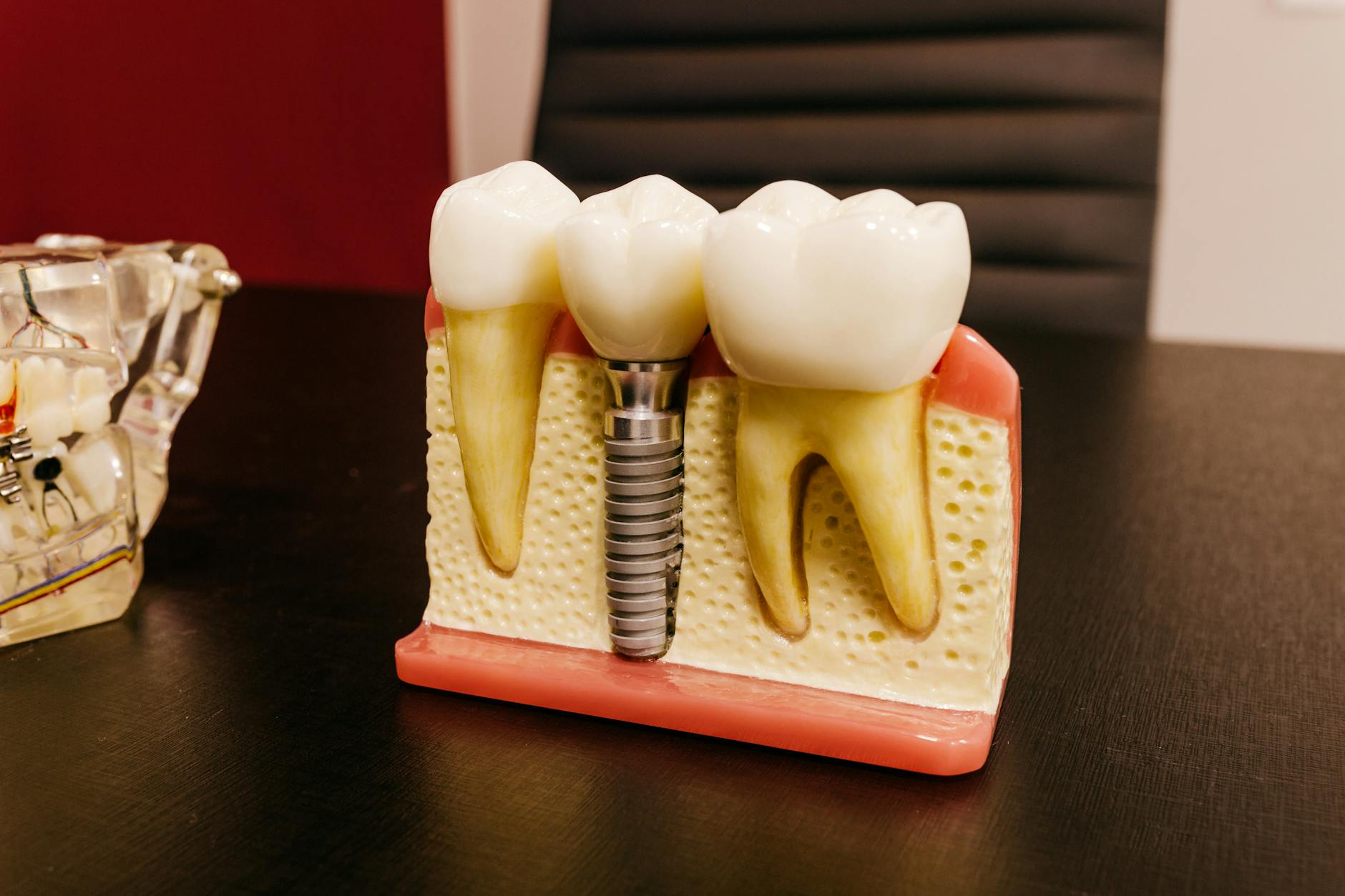
- The policy covers endodontic or root-canal services. Preventive-only policies may exclude extensive treatment such as root canals.[3][5]
- Coverage is active on the treatment date. Check the policy’s effective and end dates.[6]
- Any waiting period has ended or been waived. Benefits may be unavailable until the wait ends unless the insurer approves a waiver.[3][6][8]
- The deductible and cost sharing are included in your estimate. A deductible applies before the insurer contributes. Coinsurance is the patient’s percentage of the covered cost, while a copayment may be a flat charge per visit or treatment.[3][6][8]
- Annual benefits remain. Earlier claims can reduce or exhaust the amount available for the root canal and any later crown.[3][5][6][7][8]
Check the policy, not the service label
Root canals are not classified consistently. The U.S. Office of Personnel Management and Delta Dental’s national guidance classify them as major services.[1][3] Delta Dental of New Jersey and Delta Dental Kansas classify them as basic or Class II, while Madison Dental Art says they may be basic or major.[5][6][8] Your policy’s definition controls because the classification can affect waiting periods and cost sharing.[3][6][8]
Other payment barriers may include an exclusion, failure to meet network terms or another plan-specific requirement.[3][5][6][7][8] Some policies have pre-existing-condition restrictions, but the available sources do not establish a universal exclusion for an existing tooth that newly needs root-canal treatment.[8]
Persistent tooth pain, lingering hot or cold sensitivity, swollen gums, pain when biting, discoloration or a cracked tooth can indicate a problem. Only a dentist can determine whether root-canal treatment is needed, sometimes with the help of X-rays.[3][7]
What to Verify Before Treatment
Review the benefits booklet or online coverage overview. Confirm the dates, service classification, deductible, waiting period, network, annual maximum and exclusions rather than relying on a general statement that root canals are covered.[6]
| Verify | Record |
|---|---|
| Coverage dates | Effective date, benefit-period end date and treatment date |
| Procedure benefit | Root-canal classification and reimbursement tier |
| Cost sharing | Deductible remaining and applicable coinsurance or copayment |
| Waiting period | Whether one applies, when it ends and whether a waiver was approved |
| Network | Whether the treating dentist or endodontist is in network and which rate applies |
| Benefit limit | Annual maximum and amount still available |
| Exclusions | Terms affecting the tooth, procedure, restoration or treatment circumstances |
Verify the treating dentist or endodontist directly. In-network dentists generally use contracted fees, but the sources do not establish a universal specialist-referral rule.[3][8]
Get a Written Pre-Treatment Estimate
Ask the dental office for a written estimate showing the insurer’s expected payment and your projected responsibility.[3] Request separate entries for diagnostic work, root-canal treatment, temporary treatment, specialist services and the final crown or restoration. A crown may be completed at another appointment and cost extra.[7]
For a medically necessary post-root-canal crown, collect relevant clinical notes and X-rays. These records may show that the crown will protect a compromised tooth rather than serve a cosmetic purpose.[2] For a waiting-period waiver, gather proof of prior dental coverage and whether any coverage gap occurred.[2][8]
Ask About Unconfirmed Plan Rules
- Applicable procedure codes and frequency limits
- Prior-authorization and specialist-referral requirements
- Emergency-treatment rules
- How long the estimate remains valid and whether it is binding
- Who submits the claim and which records are required
The supplied sources do not establish uniform answers or timelines for these issues. Confirm them with the insurer and dental office.
Can the Waiting Period Be Waived?
A waiting period can delay benefits for specified services after the policy becomes active. Delta Dental of New Jersey illustrates coverage effective January 1 with a four-month root-canal wait, making the procedure eligible after May 1.[6] This is an example, not a universal schedule.
Some plans may waive a waiting period with proof of continuous prior dental coverage and no gap.[2][8] Some employer plans and FEDVIP arrangements may also waive or reduce waiting periods in certain circumstances.[2][4][8] Prior coverage does not guarantee approval under a new plan.
How to Request a Waiver
- Confirm that the plan offers a waiver. Ask whether it applies specifically to root-canal services.
- Request the continuity requirements. Ask how the insurer defines continuous coverage and whether a gap is allowed.
- Submit proof of prior coverage. Ask which records and submission method the insurer accepts.[2][8]
- Get the decision in writing. Verify that the waiver was approved before relying on it.
The sources do not verify standard processing times, allowable gap lengths, submission deadlines or required file formats.
Compare Your Projected Cost, Not a Coverage Percentage
Compare each plan-and-provider combination using the allowed amount, deductible remaining, copayment or coinsurance, annual benefits remaining and network status. The sources do not establish universal amounts for these fields.[3][5][6][7][8]
| Cost item | What to obtain |
|---|---|
| Root canal | Allowed amount, expected plan payment and projected patient share |
| Deductible | Amount remaining before the plan contributes |
| Cost sharing | Applicable copayment or coinsurance |
| Annual benefit | Amount available before and after the root canal |
| Network pricing | In-network contracted rate or out-of-network calculation |
| Crown | Separate allowed amount, plan payment and patient share |
In-network dentists generally use contracted rates. Delta Dental Kansas says its network dentists generally cannot bill the difference between their usual charge and the agreed network fee.[3][8] The sources do not verify a universal method for calculating out-of-network benefits.
Cost can also vary by tooth location, number of roots or canals, infection severity, provider type, emergency timing, geography, materials, diagnostic work and additional procedures.[3][5][7] Compare the projected cost of the root canal and restoration together, while keeping the crown on a separate line.
Treat the Crown as a Separate Coverage Decision
Root-canal coverage does not establish coverage for the final crown. The crown may be placed at a separate appointment and generate an additional charge, so request its own benefit determination and estimate.[7]
Crown coverage generally requires medical necessity. Clinical notes and X-rays may show that the crown will protect a tooth compromised by root-canal treatment. A crown used only to whiten or reshape a healthy tooth is generally considered cosmetic and excluded.[2]
Ask the insurer to confirm the crown’s classification, waiting period, deductible, cost sharing, network requirements, frequency restrictions and effect on remaining annual benefits. These rules vary by policy.[2][3][6]
Some policies may pay only toward a base crown material, leaving the patient to pay more for zirconia, all porcelain or another upgrade. Exact material rules require plan verification.[2] New enrollment does not create retroactive benefits for a crown already completed.[2]
Choose Between Current Benefits, New Coverage and Review
- Use current benefits. This may be the direct option if coverage is active, root canals are covered, any waiting period has ended or been waived, network rules are met and annual benefits remain.[3][5][6][7][8]
- Compare new coverage. Review state availability, effective dates, waiting periods, waiver rules, networks, annual maximums, exclusions and crown benefits before enrolling. Delta Dental offers an online quote path for individual and family plans, while Aflac describes online application, quote and agent channels.[3][7] Availability and plan levels vary by state.[7]
- Ask about reconsideration or appeal. If payment is denied, request the reason, the policy provision used and the insurer’s formal review instructions. Ask whether clinical notes, X-rays, eligibility records or proof of prior coverage should be submitted.[2][3][8]
The sources do not confirm universal appeal rights, filing methods, required documents, review standards or deadlines. Obtain those details from the policy and insurer.
Benefit periods and renewal dates are also plan-specific. Delta Dental of New Jersey illustrates a January 1–December 31 benefit period and says coverage must be renewed before the end date to continue.[6] Confirm the dates and renewal rules for the policy being considered.
References
- What services do dental plans include? – OPM.gov (opm.gov)
- Does Dental Insurance Cover a Crown? 2026 Coverage Guide (covercapy.com, 2026)
- Dental Insurance for Root Canals | Delta Dental (deltadentalins.com)
- UnitedHealthcare Dental Insurance Cost 2026: Plans & OOP (realdentalcosts.com)
- Root Canal Costs and Insurance: What to Expect | Madison Dental Art (madisondentalny.com, 2026)
- Dental Insurance Coverage: How it Works (deltadentalnj.com, 2020)
- Dental Insurance Coverage for Root Canal Treatments | Aflac (aflac.com)
- What Dental Insurance Covers | Delta Dental (deltadentalks.com)