HROUS
Rail Holidays for UK Travellers: Compare Packages, Transfers and Luggage
Compare the travel actually managed by the package
A rail holiday quote should identify its first included station, daily transport, hotels, meals, visits and support. Compare those responsibilities before comparing the opening price. The most useful question is which arrangements remain yours to organise, especially feeder travel and luggage.
Inside Track: a named itinerary shows the package boundary
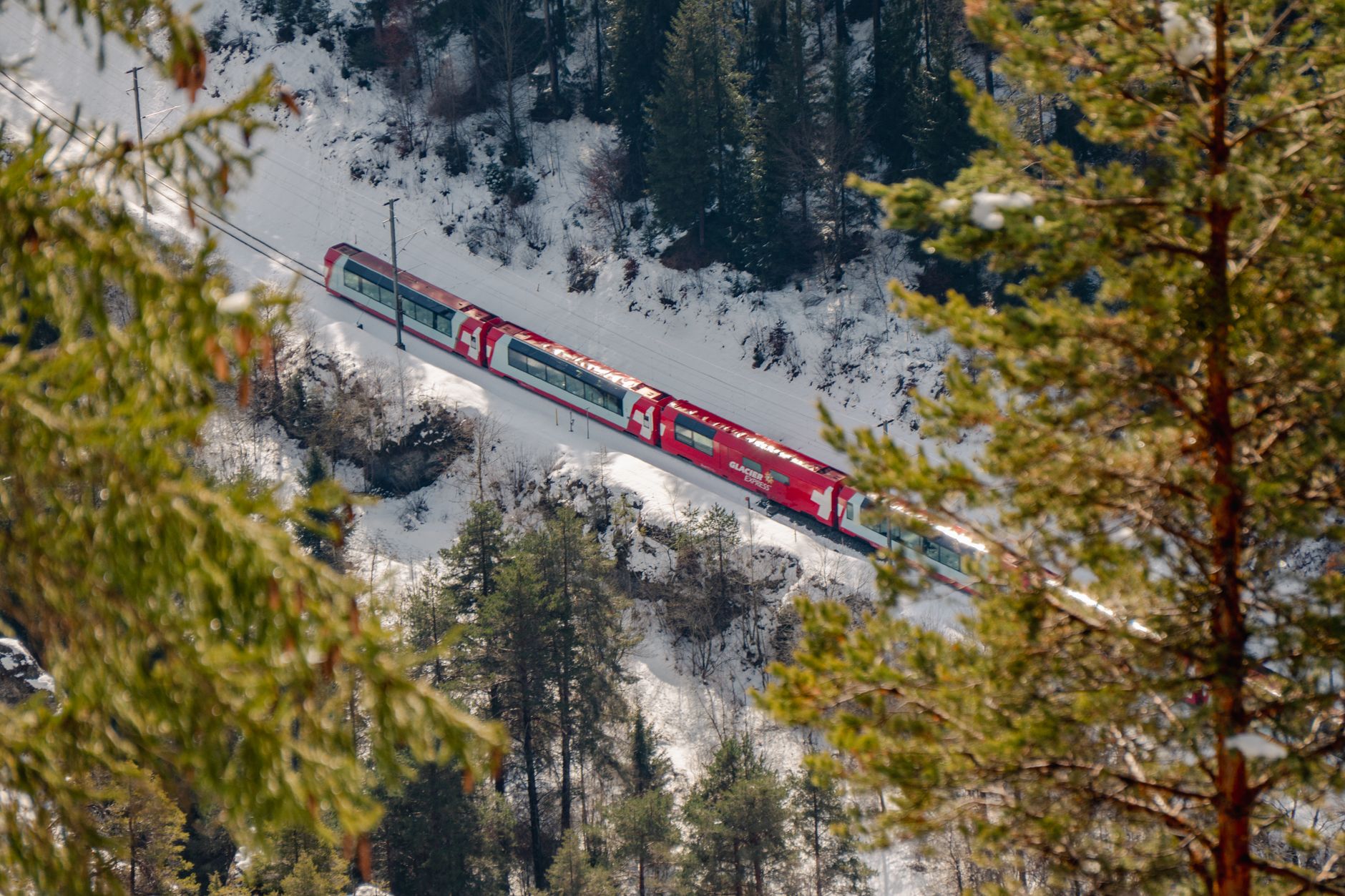
Inside Track’s Snowdon Wales page describes its five-day “The Snowdonian” itinerary starting and ending at Llandudno Junction. It lists heritage railway rides, standard-class public transport, private coach transfers, entrances, a courier and hotel accommodation on a dinner, bed and breakfast basis.[1]
The exclusions explicitly include travel to and from the holiday start, personal insurance, porterage and lunches.[1] That makes the distinction between a managed itinerary and an inclusive journey from home particularly clear.
The page labels the next holiday date “2027, TBC” and warns that its displayed price is previous-run information that may change.[1] Treat it as an itinerary example, not a confirmed departure or a current bookable fare. Ask for the final date, hotel and inclusions before planning connecting travel.
Railtrail: confirm local-station fares against the joining-point exclusion
Railtrail’s UK and Ireland Classic page lists arranged rail travel and reservations, accommodation, itinerary-specified meals, listed admissions and excursions, and a Tour Manager. It also describes luggage handling between hotels.[2]
The page contains different statements about joining travel: one FAQ excludes travel to the joining point, while another says fares from any mainland UK station are included.[2] Obtain a written answer for the exact tour and origin station, rather than selecting whichever wording gives the lower apparent total.
Its programme-level luggage statement does not answer who carries your case on station stairs, onto a train or through each connection. Request a leg-by-leg answer before relying on it for an accessibility requirement.
Use a separate comparison for an independent rail package
Absolute Escapes’ train-holiday FAQ describes accommodation with breakfast, itinerary rail passes, a personalised information pack and a 24-hour contact number. It lists lunches, evening meals, personal expenses, admissions and travel insurance among exclusions.[3]
Do not equate an emergency contact with a Tour Manager travelling beside the group. Ask who makes bookings, who accompanies you, and what the support team will arrange if a connection is disrupted. This provides a useful comparison for travellers deciding how much daily coordination they want to keep.
Map every transfer and luggage handover
Create a row for every travel day, including the journey from home and the final return. Write down the origin, destination, transport mode, reservation status and person responsible for arranging it. Leave any unconfirmed service visible as unknown.
- Home to start: identify whether feeder tickets are included, optional or self-booked, and when the joining time becomes final.
- Stations: ask about transfer time, steps, lifts and the walking route between platforms.
- Hotels: establish whether the station-to-hotel journey is a vehicle transfer or a walk, and who moves the bags.
- Luggage: distinguish station assistance, loading and unloading, hotel porterage and hotel-to-hotel transport.
- Class: confirm the class and seat reservation for each leg rather than relying on an overall package label.
If you need assistance, describe the practical tasks you cannot do. “Luggage included” does not establish that someone will lift a case during every change. Obtain confirmation for the named departure and passenger, not just a general programme description.
Count meals, visits and costs from the dated itinerary
Mark each day’s breakfast, lunch and dinner as included or payable. Identify whether a visit includes admission, guiding, transport only or free time. Add single-room supplements and the cost of optional excursions you actually intend to take.
Then compare the complete cost: package, home-to-start travel, any extra hotel night, uncovered transfers, meals, luggage services and selected activities. Use a dated supplier quote for every optional service; previous luggage-service prices and generic meal assumptions should not stand in for the chosen itinerary.
Review the agreement before booking feeder travel
Request the deposit, balance deadline, cancellation schedule and treatment of itinerary changes. Ask which financial-protection arrangement applies to the booking and how it differs from personal travel insurance. A supplier’s statement is not a substitute for checking the named protection and its terms.
For self-booked feeder trains, ask what happens if a delay prevents you joining the group: who contacts the operator, who arranges onward travel and which extra costs remain yours. Keep these answers beside the itinerary and payment schedule.
Choose the option that manages the work you want delegated and clearly identifies what remains with you. The examples establish different package boundaries; they do not independently establish which operator has better service or reliability.
References
- The Snowdonian: itinerary, inclusions and 2027 TBC/previous-price notice — Inside Track (railwayholidays.com)
- UK and Ireland Classic rail tours: inclusions and joining-travel FAQs — Railtrail (railtrail.co.uk)
- Train holidays FAQs: package inclusions and exclusions — Absolute Escapes (absoluteescapes.com)