For U.S. brands, the right packaging laboratory depends on the required test, package type, report recipient and need for a confirmed U.S. location. Tektronix is the only provider in this comparison with named U.S. laboratories; UFP documents packaging-redesign support, STERIS AST focuses on medical-device packaging, and Measurlabs combines distribution testing with broader materials analysis.[2][3][4][5] None publishes complete pricing or commercial terms.[1][2][3][4][5] 
Compare providers by capability, use case and U.S. access
| Provider | Provider-described capabilities; credentials require verification | Documented fit | Confirmed U.S. laboratory |
|---|---|---|---|
| Intertek | Packaging-testing services; specific procedures and equipment are not verified.[1] | Not verified.[1] | Not verified; a U.S. contact route is listed.[1] |
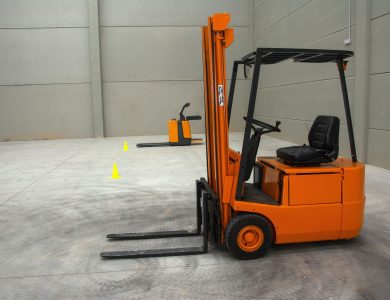
| UFP Packaging | Compression-load, transit-vibration, incline-impact and forklift-handling testing, plus packaging design and redevelopment. UFP uses broad ISTA, ASTM and ISO certification wording. This is a supplier claim, not a verified accreditation: the reviewed page does not identify the issuer, certificate, current validity or procedure-specific scope.[2] | New or redesigned packaging, including projects involving material reduction, reusability or cost efficiency.[2] | Not verified.[2] |
| Tektronix | Shipping and storage simulation, vibration, drop, compression, thermal-shipper validation, accelerated aging and shelf-life testing. Test formats include cartons, point-of-purchase displays and pallets.[3] | Medical-device, consumer-goods, FDA-regulated and e-commerce companies.[3] | Billerica, Massachusetts, and Wayne, New Jersey.[3] |
| STERIS AST | Packaging testing associated with medical devices and sterilization processes.[4] | Medical-device packaging and packaging supporting sterilization.[4] | Not verified.[4] |
| Measurlabs | Distribution, aging, migration and NIAS, extractables and leachables, barrier, sustainability, mechanical and thermal analysis.[5] | Organizations needing transport testing with broader materials or regulatory analysis; the service is not offered to consumers.[5] | Not verified.[5] |
Unverified location or capability fields should become quote-stage questions, not assumptions that a service is unavailable. The source pages do not confirm package limits, turnaround times or complete commercial terms.[1][2][3][4][5]
Match the provider to the packaging problem
- General transport simulation: Tektronix documents vibration, drop, compression, stacking, shipping and storage simulation. UFP documents compression-load, transit-vibration, incline-impact and forklift-handling tests.[2][3]
- Packaging redesign: UFP combines testing with packaging design and redevelopment.[2]
- Medical devices and sterile barriers: STERIS AST focuses on medical-device packaging and sterilization processes. Tektronix offers medical-device testing, accelerated aging, shelf-life testing and thermal-shipper validation.[3][4]
- Regulatory and materials analysis: Measurlabs lists ASTM D4169 distribution testing, ASTM F1980 aging, migration and NIAS analysis, extractables and leachables, barrier transmission and food-contact analysis.[5]
For shelf-life work, Tektronix says accelerated aging provides an initial conservative estimate that should be validated through real-time testing.[3]
Define the test scope and sample plan
Send each laboratory the same scope so differences between quotes reflect provider offerings rather than different assumptions. Test selection can depend on regulatory requirements, the applicable standard or procedure, transport mode, product category, container size and shape, and material composition.[3]
- Test basis: Name the customer specification, standard or procedure and required version. If uncertain, ask the intended report recipient what it will accept before testing.
- Distribution conditions: Describe transport modes, routes and relevant shipping or storage exposures, including vibration, temperature, unpressurized altitude, impact, dropping, compression and stacking.[3]
- Test article: Provide the product category, container dimensions and shape, material composition, shipping weight and complete pack configuration.[3]
- Use case: State the intended-use conditions, target market, sample count and recurring-test requirements. Measurlabs requests these details when preparing quotes.[5]
Ask each laboratory for a written specimen plan covering:
- the quantity required for each sequence, including controls, spares and possible retests;
- whether specimens must be production-equivalent, filled, sealed, sterilized, conditioned or labeled;
- whether each specimen completes the full sequence or separate specimens are required;
- inbound packing, custody, storage, return or disposal instructions; and
- responsibility for sample-shipping charges.
The provider sources do not publish complete sample requirements, package-size or weight limits, shipping fees or handling instructions.[1][2][3][4][5]
Verify report acceptance before testing
Identify the report recipient and obtain written approval of the proposed standard, procedure version, laboratory qualifications, accreditation scope, witnessing requirements and pass/fail criteria. The provider pages do not guarantee acceptance by a customer, retailer, carrier, regulator or internal quality system.[1][2][3][4][5]
Request current credentials and a representative report. Check whether the report includes:
- specimen identification and conditioning;
- equipment and procedure used;
- deviations from the agreed method;
- results and photographs; and
- conclusions, approvals and traceability.
UFP’s broad certification wording does not itself verify certification or accreditation. Ask for the issuing body, current certificate and scope covering the exact facility and requested test; using an ASTM method and holding an ISO accreditation are different assertions.[2] Require the quote to identify the exact report deliverables.
Compare price, timing and purchasing terms
None of the provider sources publishes complete testing prices, minimum fees, sample-shipping costs, retest fees, taxes, contract duration, cancellation or refund rules, service guarantees, or full turnaround times.[1][2][3][4][5]
| Term | What is verified | What to request |
|---|---|---|
| Price | No complete rates are published.[1][2][3][4][5] | An itemized quote covering scope review, conditioning, test sequences, fixtures, reporting, expedited service, storage or disposal, freight, taxes and retesting. |
| Schedule | Measurlabs promises a reply to quote requests within one business day, not completion of testing or reporting.[5] | Start date, testing duration, report date, dependencies, rush options and responsibility for delays. |
| Purchasing terms | Complete payment, contract, cancellation, refund and service-guarantee terms are not verified.[1][2][3][4][5] | Quote validity, payment milestones, cancellation charges, refund terms and service commitments. |
Compare proposals only after each provider has quoted the same scope and identified fixed, conditional and excluded charges.
Set failure and retesting rules
Before testing, define:
- the pass/fail criteria and failure-notification process;
- whether testing stops at the first failure or continues through the sequence;
- the photographs, observations and data included with a failed result;
- how deviations are recorded and approved; and
- whether the laboratory can investigate a failure or support redesign.
UFP expressly combines testing with packaging redevelopment; equivalent support is not confirmed for every provider.[2]
For retesting, confirm whether a modification requires the complete sequence or a limited retest, whether new samples are needed, and how a revised report will be issued. Request the retest price, queue position, turnaround, authorization process and sample-retention period. The sources do not verify provider retest fees, failure policies or performance guarantees.[1][2][3][4][5]
Pre-award checklist
- Exact standard or procedure and version
- Product and package configuration
- Transport, storage and intended-use conditions
- Sample count, condition and shipping responsibility
- Recipient approval of the protocol and report format
- Laboratory location and relevant qualifications
- Start date, test duration and report date
- Itemized total cost and exclusions
- Cancellation, failure and retesting terms
- Requirements for recurring testing
Do not award the work while the sample plan, report deliverables, turnaround, total fees or retesting rules remain unresolved; the public provider pages do not support a complete commercial comparison.[1][2][3][4][5] References