Choose the test by the hazard you need assessed
Use Public Health Ontario (PHO) to test eligible private drinking water for total coliforms and E. coli; use a private or accredited laboratory for nitrates, sodium, fluoride, metals, chemicals or other non-bacterial parameters. If both categories matter, separate tests may be needed.[1][2][4][6] 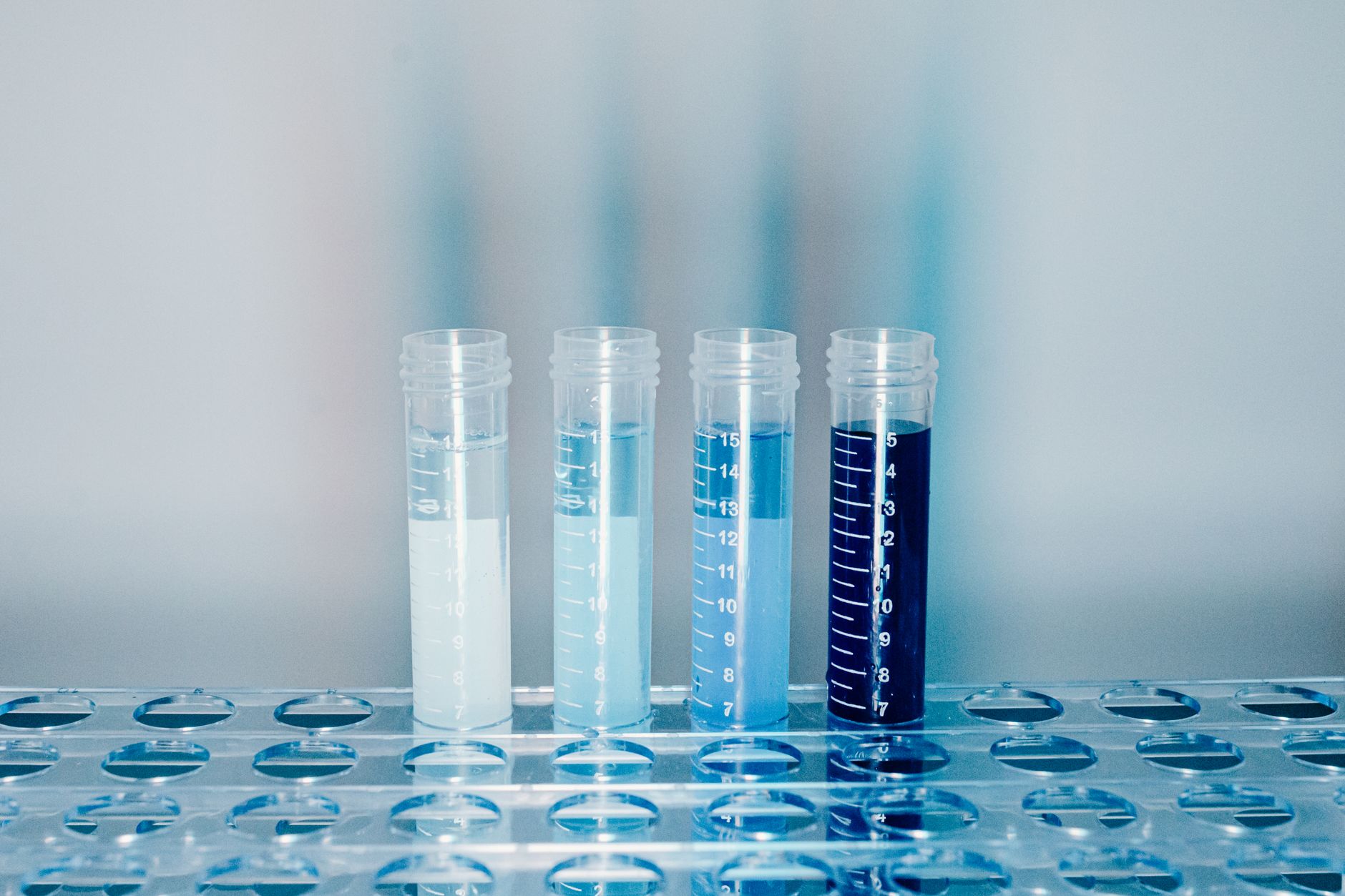
| Option | What it covers | Access and cost | Best fit and limits |
|---|---|---|---|
| Public Health Ontario private-water testing | Total coliforms and E. coli only.[1] | Free for private well water. Online and paper requisitions are available, with several report-access routes.[1][2] | Eligible sources include privately owned wells, cisterns and treated lake water. PHO does not test private-water samples for chemicals.[1] |
| Private or accredited laboratory | Nitrates, sodium, fluoride, metals, chemicals and other requested non-bacterial parameters.[2][4][6] | Obtain a quote for the exact analytes; verify the laboratory’s applicable licence or accreditation and turnaround. | Use this route for chemical or mineral concerns. Confirm the exact analyses, sampling instructions and terms directly with the laboratory.[2][4][6] |
Ottawa Public Health, York Region, the Eastern Ontario Health Unit (EOHU) and Wellington-Dufferin-Guelph Public Health (WDG Public Health) provide local access to bacterial testing. Submitting through one of these health units does not expand PHO’s analysis beyond total coliforms and E. coli.[1][3][4][5][6]
Choose the route before collecting
Use the current local health-unit instructions for pickup, drop-off and holiday arrangements: Ottawa, York, EOHU and WDG provide local access routes.[3][4][5][6] Confirm that your source is eligible and the receiving location can accept the sample in time. A nearby collection point is not necessarily the laboratory that performs the test.
For chemical concerns, agree the analytes, bottles, preservation, delivery and interpretation with the selected laboratory before sampling.[2][4][6] Keep this separate from the PHO bacterial submission.
Submit a PHO bacterial sample correctly
If the collection bottle’s lid seal or tamper ring is broken, obtain a new kit.[1]
- Handle the bottle carefully. Do not touch the inside of the cap, place the cap on a surface or rinse the bottle. Its preservative neutralizes chlorine.[1]
- Fill to the marked line. Close the cap firmly after collection.[1]
- Keep the sample cold but not frozen.[1]
- Complete the submission information. Mandatory online fields include the last name, bottle barcode, collection date and time, address, municipality and public health unit. Paper requisitions remain available.[1]
- Retain the barcode. It is required to retrieve the report.[1]
Plan transport first: PHO requires testing within 48 hours of collection. Local drop-off deadlines may be earlier. Confirm the route before collecting, keep the sample cool rather than frozen, and follow current kit instructions.[1]
Additional EOHU restrictions
EOHU does not accept samples on Fridays or the day before a statutory holiday. It also warns of a transport-freezing risk when overnight temperatures remain below −15°C.[5]
Read the bacterial result without assuming all water is safe
Interpret the bacterial result with PHO’s categories below. These results cannot establish chemical safety.[1]
| PHO result, per 100 mL.[1] | Meaning and next step |
|---|---|
| Total coliforms 5 or fewer; E. coli 0.[1] | No significant evidence of bacterial contamination; continue regular testing. This is not a chemical-safety certificate.[1] |
| Total coliforms above 5; E. coli 0.[1] | Significant bacterial contamination; the water may be unsafe. Follow the immediate actions below.[1] |
| E. coli 1 or more.[1] | Evidence of fecal contamination; unsafe to drink. Follow the immediate actions below.[1] |
| NDOGN or NDOGT: overgrown.[1] | PHO treats these results as unsafe, not as a negative result.[1] |
For the abnormal categories above: stop using well water, contact the local public health unit promptly and arrange resampling. Consider bottled or municipal water if available. Seek local guidance on investigation and corrective measures; no treatment or dosing is prescribed here.[1]
Arrange chemical or mineral testing separately
For nitrates, sodium, fluoride, metals or other chemical parameters, contact a private or accredited laboratory and confirm:
- the exact analytes included in the proposed panel;
- the laboratory’s accreditation details for the requested analyses;
- the required bottles, preservation and delivery procedures;
- the total quoted price and stated turnaround time; and
- how results will be reported and interpreted.
Do not assume a package called a “general water panel” includes every contaminant of concern. Ask the laboratory to match the panel to the concern and provide a written scope and quote; this comparison does not recommend a specific chemical-testing provider.
Set a recurring testing schedule
Ottawa Public Health recommends bacterial testing every spring, summer and fall and inspecting the well at least annually.[3] York Region identifies additional testing occasions, including after well construction or disinfection, a long period of non-use, snowmelt, heavy rainfall or flooding.[4]
- Schedule seasonal bacterial testing and add tests after events that could affect the well.[3][4]
- Add separate chemical testing when the concern involves nitrates, sodium, fluoride, metals or other non-bacterial contaminants.[1][2]
- Keep the barcode and reports so PHO results can be retrieved and compared over time.[1]
References
- Well Water Testing (Private Drinking Water) | Public Health Ontario (publichealthontario.ca)
- Government of Ontario | Gouvernement de l'Ontario (ontario.ca, 2021)
- Free Well Water Testing – Ottawa Public Health (ottawapublichealth.ca)
- Private Well Water Testing | York Region (york.ca)
- Well Water Testing | EOHU | Public Health (eohu.ca)
- Well Water Testing | WDG Public Health (wdgpublichealth.ca)