HROUS
How to choose caravan servicing in Australia: an owner’s guide
Start with your caravan’s schedule, not a package name
Choose a workshop by its written service scope, separately priced work and repair-authorisation process—not the length of its checklist. Send your caravan’s make, model, identifying details, available service history and manufacturer’s schedule. Ask the workshop to confirm the applicable interval and identify the scheduled tasks covered by its quote.
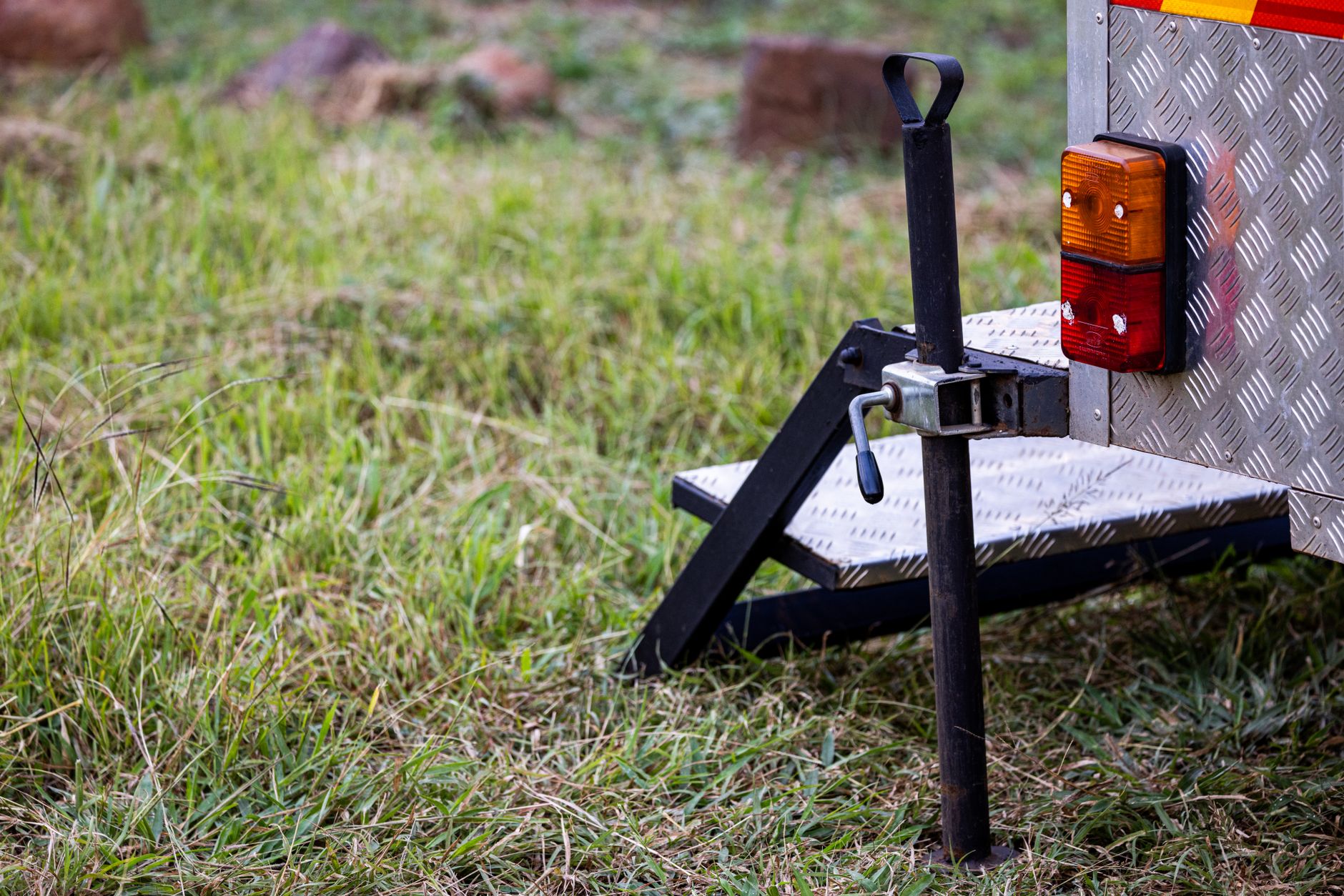
Carac, a caravan workshop in Dandenong South, Victoria, recommends servicing every 12 months or 10,000 km, plus before a long trip.[1] South East Queensland’s Caravan Mechanic and Detailing Service recommends every 12 months or 10,000 km, whichever comes first.[2] These are provider recommendations, not a confirmed manufacturer schedule for your caravan.[1][2]
Separate mechanical inspection from servicing
Mark each task on the quote by what the workshop will do. As a comparison tool—not an industry classification—use these labels:
- Inspect/test: assess condition or operation.
- Adjust/lubricate: carry out the named adjustment or lubrication.
- Clean/repack: perform the specified bearing maintenance.
- Replace if approved: flag replacement work for a cost-and-approval discussion.
Look for verbs beyond “check”. Carac’s checklist includes brake and handbrake adjustment, wheel-bearing cleaning and repacking, wheel-nut/stud re-torque and hitch lubrication—wording that identifies maintenance rather than inspection alone.[1]
Caravan Mechanic and Detailing Service lists bearing removal, inspection, cleaning, repacking and adjustment, plus replacement if required and new seals where necessary.[2] Ask whether conditional replacements, including parts and labour, are covered by the quote or need further approval.
Ask the workshop to identify the quoted tasks for the chassis, suspension, coupling, tyres and safety chains, which also appear in these providers’ checklists.[1][2] If the quote says “checked”, ask which action applies.
Define habitation checks system by system
Apply the same question to the living area. Ask the workshop to name the components and tasks under each heading:
- Electrical and batteries: which wiring, sockets, lights and battery checks?
- Gas: which parts of the installation, and what inspection or testing?
- Appliances: which appliances, and inspection, operation checks or servicing?
- Safety equipment: which smoke-detector and fire-extinguisher checks?
- Water ingress: which roof penetrations, hatches, windows and seals are inspected?
These categories draw on the different scopes described by Carac, Caravan Mechanic and Complete RV Services.[1][2][4] Carac, for example, lists battery charge/condition, rangehood fan/lights, a smoke detector, fire-extinguisher charge and gas-leak checks at the bottle and regulator.[1]
Complete RV Services, based in Jamisontown, NSW, uses broader wording about inspecting wiring, sockets, appliances and the gas system.[4] Ask for the component-level scope behind such descriptions, rather than assuming every appliance will be serviced.
Confirm specialist involvement and extra charges
Carac includes a battery charge/condition check but lists battery load testing, 15-amp lead test-and-tag and hot-water-system servicing as additional-charge work.[1] A listed battery check therefore should not be read as including its separately charged load test.
Caravan Mechanic and Detailing Service advertises licensed gas fitters who can inspect regulators, bottle installations, pipework, hoses and gas appliances; it also says hot-water servicing and anode replacement can be performed.[2] Ask Carac whether its bottle-and-regulator leak check includes a licensed gas inspection or certificate, and ask Caravan Mechanic whether gas and hot-water work are included in the base service.[1][2]
The guidance from Emu Caravan Repairs, based in Ferntree Gully, Victoria, advises owners to leave 240-volt repairs and modifications to a qualified electrician.[3]
Before booking, ask:
- Who performs each specialist task, and what does their relevant qualification or licence cover?
- What test results, service record or certificate, if applicable, will you receive?
- Is each task included, separately priced or subject to a specialist quote?
Agree on defect reporting and repair approval
Carac says it provides a full completion report and contacts the customer about additional parts, advises the extra cost and obtains approval before doing additional work.[1] Seek a clear commitment from your workshop before handing over the caravan.
Suggested owner request—not a published provider policy:
“Please contact me with the defect, proposed repair and additional total before proceeding. Record any agreed spending limit and how I will approve changes.”
Also ask the workshop to:
- Separate findings from work: distinguish items inspected, servicing completed, outstanding defects and recommended repairs.
- Explain the evidence: provide photographs, measurements or test results where available, and explain which findings need urgent attention.
- Record your decision: note repairs approved, deferred or declined, including any revised spending limit.
- Agree on missed-contact arrangements: explain what happens if you cannot be reached or a finding affects collection or further travel.
What to confirm with each provider
Ask Carac, Caravan Mechanic and Detailing Service, Complete RV Services or Emu Caravan Repairs to confirm service prices, warranty terms, repair-authorisation limits, booking terms and report arrangements in writing. Request written answers covering:
- Total price: included labour and consumables, conditional parts, specialist extras and any inspection or diagnostic fees.
- Booking terms: expected workshop time, deposit, payment timing and cancellation terms.
- Warranty: workmanship and parts cover, conditions and exclusions.
- Repair approval: spending limit, estimate format, approval method and handling of declined work.
- Records: report format, measurements or photographs, service-book updates, record retention and reminders.
Send the same questions to accessible workshops and compare their written answers. The examples here illustrate practices in different places: Caravan Mechanic serves South East Queensland, while Complete RV Services is based in Jamisontown, NSW.[2][4] They are not a competing local shortlist.
Check the handover and plan the next service
At collection, check the invoice and completion report against the agreed scope and extra repairs you approved. Request a record of completed work, unresolved defects, declined repairs and separately supplied specialist documentation.
Keep certificates separate from the service record: Caravan Mechanic advertises roadworthy and gas certificate services.[2] Ask whether these are included in a routine service.
Agree the next visit against your caravan manufacturer’s schedule and intended trip timing. Carac recommends servicing before a long trip; use that as a planning prompt, not a substitute for your caravan’s requirements.[1]
References
- Caravan Servicing — CARAC (carac.com.au)
- Caravan Service North Lakes (caravanmechanic.com.au)
- DIY Caravan Check & Maintenance (emucaravanrepairs.com.au)
- Top Expert Tips for Caravan Inspections, Repairs, and … (rvservices.com.au, 2023)