HROUS
How to choose hockey skate profiling: a Canadian player’s guide
Choose a hockey skate profiling shop by asking what it will measure, how it will check both runners and what it will record for a spare set. Keep the profile and sharpening hollow separate: profiling changes the runner’s heel-to-toe shape; sharpening restores the edges and sets the hollow. [1][2]
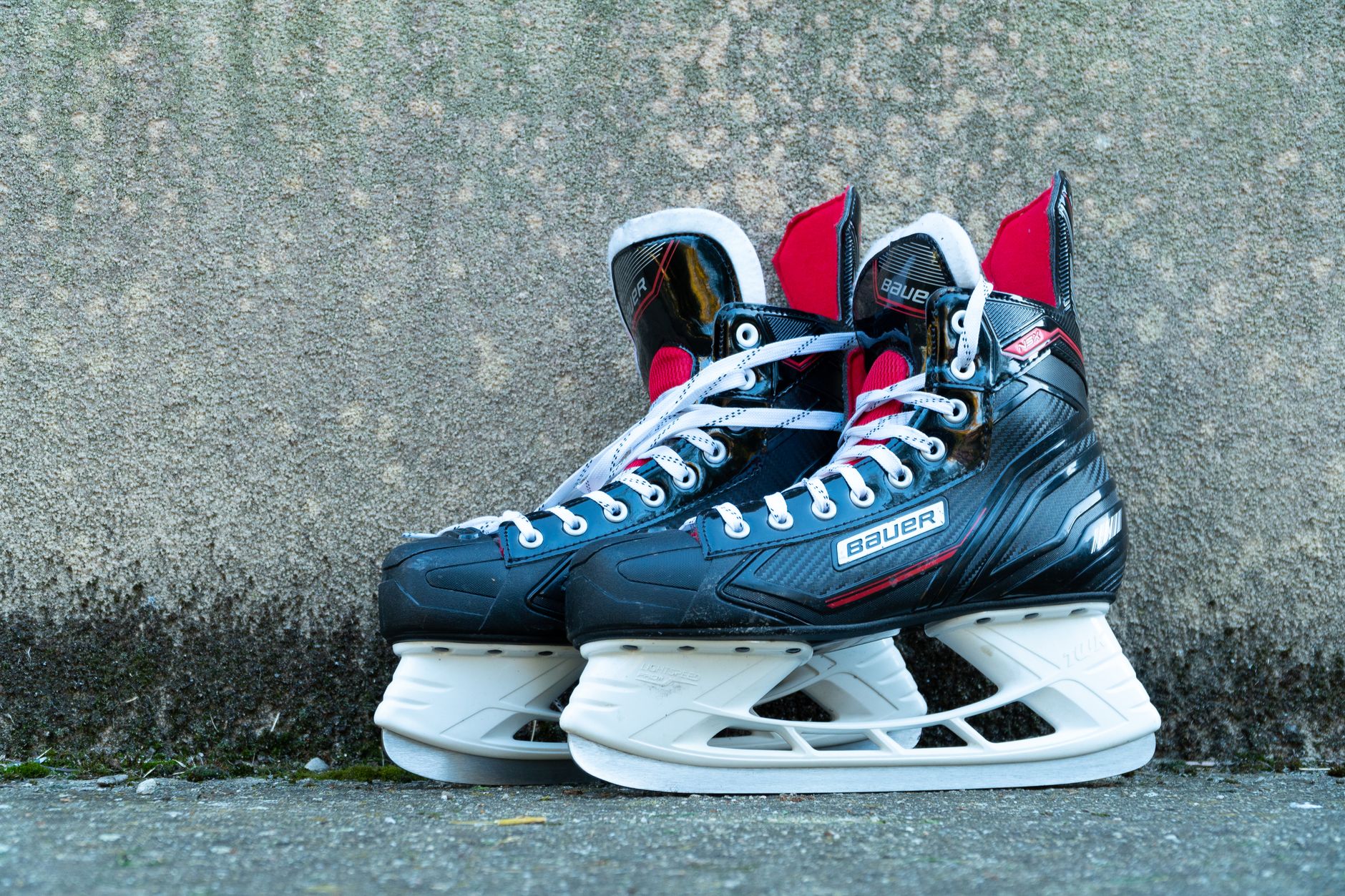
First, decide whether you need profiling or sharpening
Picture the runner from two directions:
- From the side: the profile, also called the rocker, is the heel-to-toe curve. Changing it changes how the blade contacts the ice along its length. [1][2]
- Looking at the edges: the hollow, or radius of hollow, describes the groove between them. Sharpening establishes that hollow rather than selecting the runner’s overall heel-to-toe shape. [1][2]
Bauer’s guidance explains that a deeper hollow concentrates pressure at the edges and digs farther into the ice, while a shallower hollow spreads pressure more evenly and rides more on top of it. That is a different adjustment from changing the rocker. [1]
If your aim is to preserve a familiar feel, discuss both settings rather than asking for “the same sharpening”:
“I want to preserve this skating feel on a spare set. Please assess the existing profile and confirm the hollow separately.”
Also ask: “Does the profiling quote include sharpening to my requested hollow?” Treat inclusion as a shop-specific question, not something a profile name answers.
Ask whether your existing profile can be reproduced
An existing profile can be measured and reproduced on replacement steel using suitable profiling equipment and measuring tools, according to Blademaster, an Ontario-based supplier of technician equipment rather than a retail profiling service. Available profiling options depend on blade design and condition, so this is not a promise of an identical result on every replacement runner. [2]
If you like your current feel, ask for assessment and reproduction before agreeing to a different profile. If you are choosing a profile for the first time, explain your skating preferences instead. Profile selection is subjective; relevant factors can include skating style, size, weight, pitch, position and playing preferences. [1][2]
Bring the existing runners and proposed replacements into the discussion, and ask:
- “Can you measure this existing profile?”
- “Can this replacement runner design reproduce it?”
- “What condition or remaining-steel limitations do you see?”
- “What differences would remain?”
Clarify what “matching” means for this job: copying the runner’s present shape or recreating an intended original template? Ask whether the shop can assess that distinction and explain which target it proposes to reproduce.
For remaining steel, ask what the technician can measure and whether they consider the proposed work suitable before authorising it. Ask the technician to explain any minimum steel height, material-removal allowance or reproduction accuracy that applies to the proposed work. [1][2] Request an explanation tied to your runners, rather than treating “we can copy profiles” as approval for this set.
Ask how the shop will check both runners
Ask the shop to explain “matched” before you authorise the work. Request its left/right matching procedure, its accepted tolerance and confirmation of whether each runner will be independently measured before release. [1][2]
Pair-checking requests—not guaranteed service standards
- Before work: “Will you assess both runners? What will you measure, and how will you decide whether their starting shapes differ?” Ask about each runner’s condition rather than only the pair as a whole.
- Against the target: “After profiling, how will you check each runner against the profile we agreed on?” Ask the shop to distinguish the intended shape from the checks it will perform.
- Against each other: “How will you compare the finished runners with one another?” Keep this separate from the target question so the answer addresses both individual runners and the pair.
- Tools used: “Which gauges, templates or measuring tools will support those checks, and what will they show?”
- Acceptable match: “What do you consider an acceptable match, and what limitations apply to this pair?” Request an explanation in ordinary language, including any differences the shop expects to remain.
Blademaster identifies contour bars, gauges, profile templates and measuring tools as equipment used to create and verify profiles. [2] Use those tool categories as a starting point for questions—not as proof of a particular checking procedure or a guaranteed result.
If “matched” remains vague, request clarification before authorising the work. Ask which checks and findings the shop is willing to document in your service record.
Request a record you can use for the next runner set
Ask for a record separating what the shop intended to create from what it measured on the finished runners. Request both the target specification and available results—not just a profile name.
Customer request checklist—not a required industry record
Ask the shop which customer-record fields it keeps, how long it retains them and whether it will provide templates or machine settings. [1][2] Agree with the shop on which details it will supply.
- Target profile: Request the profile name, template identifier and revision if applicable, exact rocker or radii where available, and the shop’s notation for pitch or positioning. Ask: “Which details do you use to repeat the work, and which are only descriptive?” If the shop uses an internal code, ask what it identifies.
- Runner condition: Request the runner make, model and size; condition before work; any remaining-steel measurements; and limitations affecting reproduction on this set or replacement steel. Ask the shop to distinguish measurements it took from details you supplied.
- Matching checks: Request an identifier for each runner, available before-and-after measurements, the verification method and any documented differences or limitations. Ask for results associated with each runner rather than only a general note saying the pair was “matched”.
- Finishing and service details: Request the sharpening hollow, whether sharpening was completed, the service date and a shop or technician reference. Ask for machine identification and settings if the shop records them and can share them.
Blademaster’s description of measuring and reproducing profiles supports asking for usable measurement information; it is not a promise that a shop will supply every checklist item. [2]
You can copy this request into an email or bring it to the counter:
“Please record the profile or template used, runner details, hollow, any measurements you take and any limits on reproducing this result on spare steel. Tell me which details you cannot provide.”
Before leaving, ask the shop to label which entries describe the intended target and which document the delivered result. Keep both where available, and ask whether the shop retains a copy.
The record is intended to make a future request more precise—not guarantee identical feel across runner sets. Because reproduction options depend on blade design and condition, ask the technician to assess replacement steel against the recorded target before proceeding. [2]
Get the scope, price and follow-up plan before authorising work
Ask for a written quote connecting the agreed profile and service record to the work you are authorising:
- Scope: What profiling work is included, and does the quote cover both runners, one set or multiple sets?
- Sharpening: Is sharpening included, and which hollow will be used?
- Measurement and documentation: Are there separate charges for assessing the existing profile, checking the finished pair or providing the agreed record?
- Total price: What is the total payable, including applicable taxes and agreed extras?
- Timing and collection: When will the runners be ready, how will you be notified, and what are the collection arrangements?
Ask what warranty the shop offers on its profiling work, and obtain the terms in writing before authorising it.
Bauer notes that steel condition matters when changing a profile. [1] Ask: “If inspection shows the steel is unsuitable for the requested profile, will you stop and contact me, and would an assessment charge still apply?” Request correction, cancellation and refund terms in writing, including what happens if the delivered result differs from the agreed target.
Agree on follow-up without treating a calendar interval as universal. Bauer recommends profiling three times a year—at season start, mid-season and before playoffs—and says profile life depends on use, sharpening method, blade quality and wear. [1] Blademaster describes profiling as often a one-time service once a preferred profile is established, with reprofiling generally needed for a changed profile, replacement steel or significant wear. [2]
Those recommendations differ. Ask the shop: “How will you assess whether this profile needs checking or restoring, and how does your sharpening process affect it?”
Authorise the work when the intended target, steel suitability, pair-checking procedure, written scope and available service record are clear. If something cannot be documented, ask the shop to explain that limitation before you decide.
References
- Ice Skate Profiling Guide | BAUER Canada (bauer.com)
- Profiling & Profile Kit – Blademaster (blademaster.com)