HROUS
Whale Watching Tours in British Columbia: Compare Boats and Sighting Terms
Choose the port and assigned boat before comparing fares
For a British Columbia whale-watching booking, establish the departure point, actual vessel and boarding requirements first. Then compare the complete price, customer cancellation and operator cancellation terms, and the practical value of a return-trip guarantee. The examples below use the operators’ own information rather than third-party tour cards.
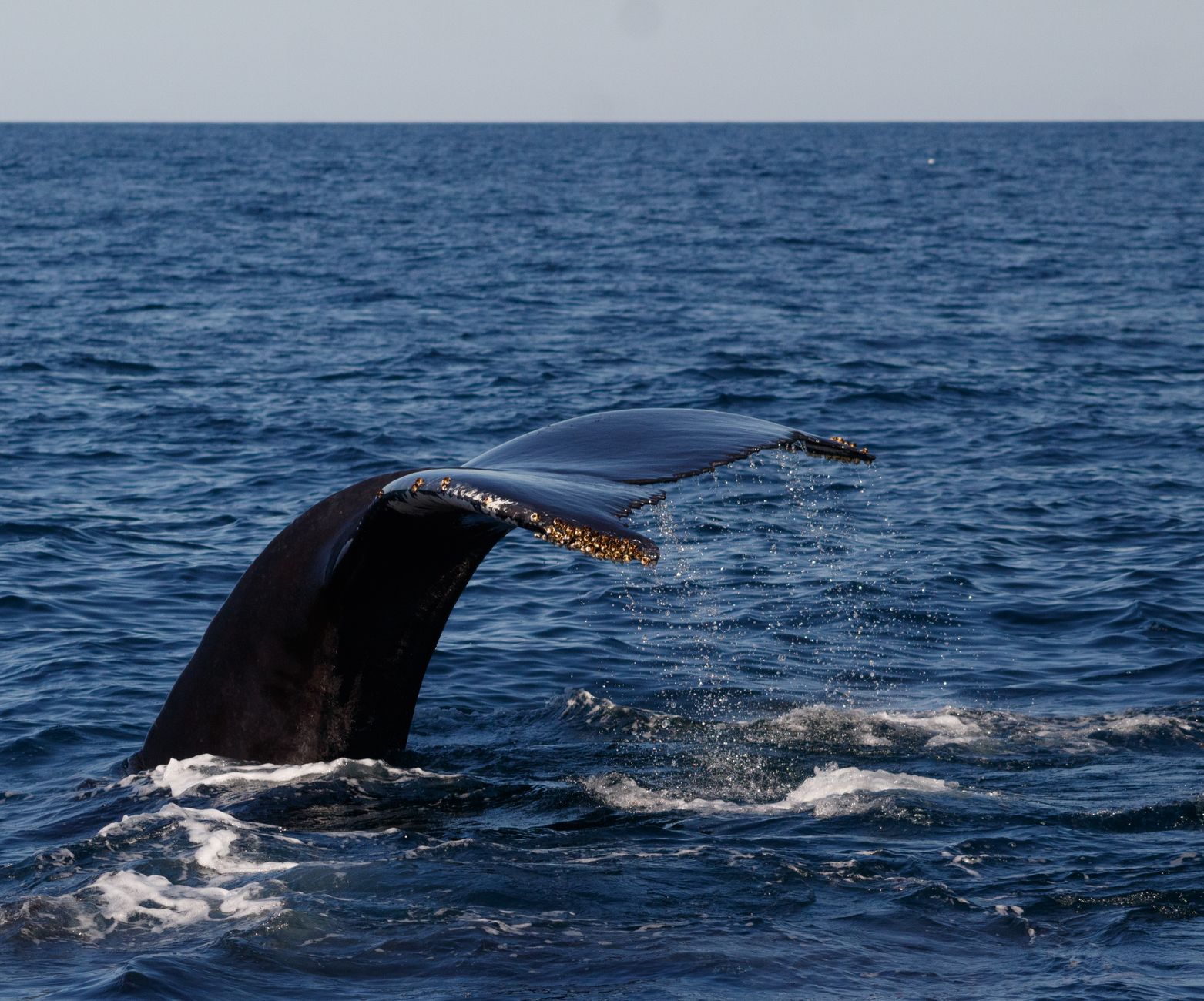
Prince of Whales: large-vessel and Zodiac arrangements differ
Prince of Whales identifies Vancouver, Victoria and Telegraph Cove departures; its Vancouver parking information refers to Granville Island. Its large catamarans have washrooms and hot drinks, while its open Zodiac/RHIB boats do not have a washroom or snack service.[2]
The FAQ says its catamarans are not wheelchair accessible: guests who can move unaided for short distances may receive assistance, but wheelchairs remain at the office. It excludes pregnant guests from Zodiac trips, while describing its large-vessel “Half-Day” tours as available unless the guest’s doctor advises otherwise.[2] Treat this as the operator’s boarding policy and resolve individual health questions separately.
Rain alone does not cancel its tours. The FAQ says qualified crew may cancel for extreme weather or high winds.[2] Confirm the duration, assigned boat, check-in time and cancellation remedy for the particular departure before paying.
Vancouver Whale Watch: Steveston and open or semi-covered boats
Vancouver Whale Watch identifies its location in Steveston, Richmond. Its own FAQ describes three-to-five-hour trips, with duration depending on the animals’ location. Open and semi-covered vessels have washrooms, and its shuttle requires a reservation.[4]
The FAQ states a 48-hour customer-cancellation policy: cancellation after that point receives no refund.[4] Do not replace that direct-booking condition with a different platform’s window. Ask which boat is assigned and confirm age, mobility and other passenger conditions for that vessel; another operator’s restrictions are not a substitute.
Read the no-sighting remedy as a future booking
Prince of Whales’ guarantee offers an equivalent return tour across its three departure locations, without expiry. It is non-transferable, requires a matching original passenger name, and is subject to availability, including standby or waitlisting for some tours.[3]
The replacement base fare is complimentary, but its guarantee page lists a $5 conservation fee, $10 fuel surcharge, $1 carbon-offset fee and 5% GST for redemption bookings.[3] The same 48-hour cancellation policy applies to redemptions.[3] Charter and group eligibility also requires the passenger contact list at least 72 hours before departure.[3]
Vancouver Whale Watch’s FAQ offers another trip free until whales are seen, with no expiry, no transfer and no cash value.[4] Ask whether a redemption has taxes, fees, capacity restrictions or a different vessel before treating it as a cost-free repeat outing.
These promises describe a return-trip remedy. They do not establish a guaranteed sighting on your chosen departure or a general entitlement to a cash refund. A future tour has less practical value if you cannot return to an eligible port.
Compare the all-in price for the same sailing
Use the same date, passenger ages and vessel format for every quote. Record the currency explicitly. If comparing currencies, retain the conversion date and any card or booking-platform charge rather than comparing the opening numbers directly.
- Base adult and child fares, including any minimum booking.
- Taxes, conservation fees, fuel surcharges and other compulsory amounts.
- Transport to the departure port, shuttle reservations and parking.
- Food or equipment you need that the sailing does not include.
- The final payable total and payment deadline.
Keep guarantee-redemption charges separate from the original ticket quote. Prince of Whales’ guarantee page establishes the charges for a return booking; it is not the complete fee schedule for every initial purchase.
Keep weather, customer cancellation and no sighting separate
Make three rows in the booking record: you cancel, the operator cancels, and the trip operates without a whale sighting. For each, request the deadline, notice method and remedy. A published no-sighting guarantee does not answer what happens after a weather cancellation.
Ask who processes a refund or rebooking when a platform sold the ticket. Keep both the seller’s terms and the operator confirmation, including the exact tour name. Leave time after the expected return before committing to onward travel, and ask what happens if the itinerary changes.
Check boarding needs and responsible viewing
Describe any mobility need in practical terms: steps you can manage, whether you can transfer from a wheelchair, and whether that aid must stay with you. Ask about washroom access, shelter, seats, service animals and boarding assistance for the assigned vessel. Get an answer before choosing a non-refundable arrangement.
Canada’s fisheries guidance prohibits disturbing marine mammals and sets viewing rules that depend on species and location.[1] A smaller or faster boat does not establish permission to get closer. Ask the operator to explain the rules applying on the sailing date instead of choosing on a promise of unusually close encounters.
Keep the port, boat, passenger fit, total price and cancellation/return remedy together. That record makes the comparison usable even when the two operators’ marketing language differs.
References
- Watching marine wildlife — Fisheries and Oceans Canada (gc.ca)
- Frequently asked questions: boats, boarding and weather — Prince of Whales (princeofwhales.com)
- Year-round whale sightings guarantee: redemption fees and conditions — Prince of Whales (princeofwhales.com)
- Frequently asked questions: vessels, duration, cancellation and return guarantee — Vancouver Whale Watch (vancouverwhalewatch.com)